
Golf 7 GTI: Common Engine Issues, DSG Risks, and What to Check Before You Buy in SA
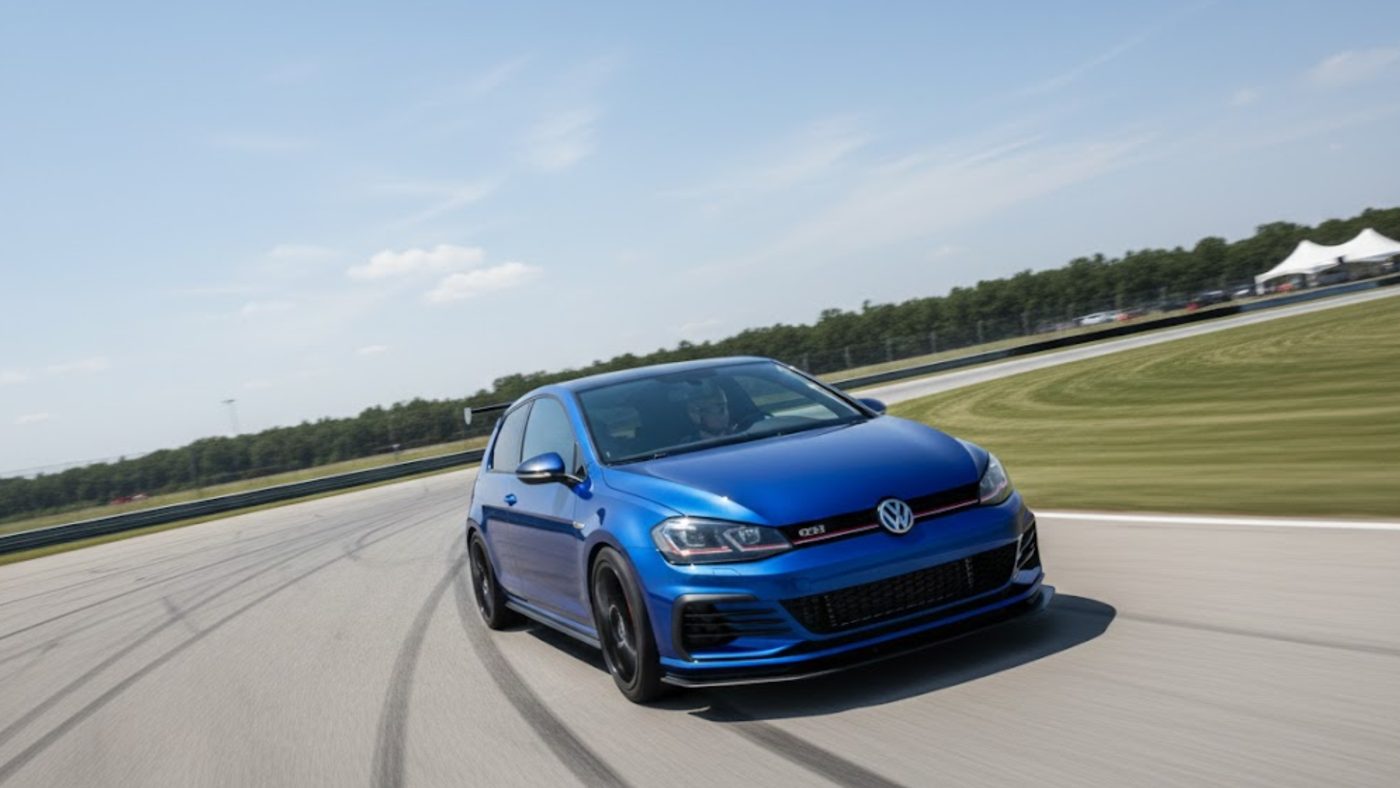
Buying a golf 7 gti in South Africa? This guide walks you through the common engine and drivetrain issues, DSG risks, pre-purchase checks, and realistic replacement options — from rebuilt engines to second-hand gearboxes — so you can make a confident decision.
How common are engine issues on the Golf 7 GTI?
The Golf 7 GTI is a well-regarded hot hatch but, like any performance car, it has known weak points. The golf 7 gti typically uses the EA888 2.0 TSI family and related components; these are generally robust but can suffer from oil consumption, turbocharger and timing-chain related problems when neglected. According to Wikipedia, the Mk7 Golf was produced between 2012 and 2019, a production run that means many examples on the South African market are now high-mileage and more likely to need intervention.
In South Africa, climate, fuel quality and maintenance history influence failure rates. Owners who follow scheduled oil changes and use recommended fuels tend to avoid the worst issues. If you aren’t buying from a dealer that provides compression-tested engines, leak-down reports or warranty-backed units, expect a higher risk and budget accordingly.
What are the most frequent engine faults to expect?
The most commonly reported engine issues on the Golf 7 GTI relate to:
- Oil consumption and oil leaks (valve cover, oil separator)
- Timing chain tensioner or guide wear on some EA888 variants
- Turbocharger failures or boost leaks
- Direct injection carbon build-up on intake valves
- Sensor failures (MAF, MAP, knock sensors) and coil/ignition problems
Each of these faults can be progressive: for example, oil starvation or a failed tensioner may quickly escalate into catastrophic failure. That’s why compression-tested engines and leak-down reports are valuable when buying a replacement: they quantify cylinder health and allow you to choose between a cost-effective replacement or a rebuild.
Should I worry about DSG issues on a Golf 7 GTI?
Yes — DSG (direct-shift gearbox) units fitted to many golf 7 gti models have a mixed reputation. Dual-clutch transmissions offer lightning-fast shifts and improved performance, but they can be sensitive to heat, maintenance neglect and clutch pack wear, particularly in urban stop-start driving conditions.
According to ZF (a major transmission supplier), dual-clutch designs provide very fast shift times and are widely used, but their complexity means servicing and part costs can be higher than a conventional manual or torque-converter automatic. In plain terms: if you are not confident in the gearbox history, insist on a transmission report or a known-good replacement with a warranty.
Checklist for DSGs:
| Check | Why it matters |
|---|---|
| Service history (mechatronics oil changes) | Regular DSG fluid and mechatronic checks prolong life |
| Cold-start video / shift behaviour | Shows clutch chatter, slip or hesitation |
| Error codes and TCU compatibility | Ensures VIN/ECU match & prevents limp mode |
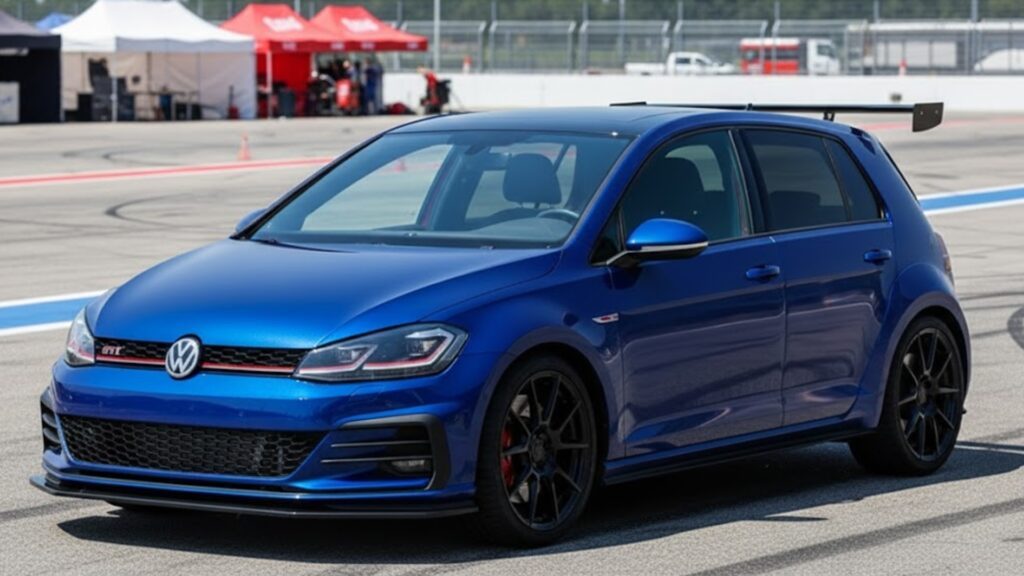
What should I check on a pre-purchase inspection in South Africa?
A thorough pre-purchase inspection for a golf 7 gti in South Africa should include both visual and diagnostic checks. Ask for:
- Full service history and receipts for oil types, timing chain work, and DSG services
- VIN/ECU compatibility checks and any past ECU swaps documented
- Compression-test or leak-down report for the engine
- Cold-start video (Email/video) and a run-up to operating temperature
- DSG/TCU scan, mechatronic checks and a road test with data logging if possible
Many reputable suppliers in Pretoria and nationwide provide core exchange programs, same-day collection for tested units, and door-to-door delivery across South Africa. If you see stripped spares or missing components, treat that as a red flag — missing sensors, loose wiring or an unknown ECU history can add significant hidden costs.
Are rebuilt or used engines a good option for Golf 7 GTI owners?
Rebuilt or used engines can be cost-effective, but quality varies. A rebuilt engine with documented parts, compression-tested cylinders, and a clear warranty is often the best value. Used engines can be cheaper but carry more risk unless they come with leak-down reports and warranty-backed programs.
Advantages and disadvantages:
- Rebuilt engines: New or refurbished internals, higher reliability, often warranty-backed — higher up-front cost.
- Used engines: Lower cost, quicker turnaround, but variable history — check for compression/leak-down testing and ask about core exchange terms.
In South Africa, many workshops and parts suppliers (including our fitment partners) can source imported Japanese/German engines and perform VIN/ECU compatibility checks to make sure the replacement integrates correctly with immobilisers and electronics.
How reliable are imported Japanese/German engines and what about VIN/ECU compatibility?
Imported Japanese or German engines can be excellent when sourced from trusted dismantlers, compression-tested and accompanied by ECU/VIN compatibility support. Key points:
- Ask for engine testing and reports: compression, leak-down and cold-start video.
- Confirm whether the supplier offers ECU match, immobiliser coding, and VIN fitment support.
- Check return & warranty terms and whether they provide a core exchange program.
Many suppliers offer warranty-backed units and perform VIN/ECU compatibility checks to avoid immobiliser or emission-control faults after fitment. If an engine is imported without the correct ECU support, you may face additional costs for coding or even a different engine choice.
How much do common repairs or replacements typically cost?
Costs vary widely depending on whether you choose a used, rebuilt or new unit and whether you’re replacing just components (turbo, timing kit, DSG mechatronics) or the entire engine/gearbox. As rough guidance for South Africa:
- Timing-chain kit + labour: moderate — often cheaper than full engine replacement if caught early.
- Turbocharger replacement: moderate-to-high depending on new vs. reconditioned.
- Complete used engine (tested, warranty-backed): cost-effective vs. rebuild; factor in fitting and ECU coding.
- Rebuilt engine (warranty): higher upfront cost but lower risk for the medium term.
Always weigh labour, parts, ECU/VIN work and possible gearbox issues (if the car is DSG) into the final budget. For many buyers, a tested second-hand engine with a short warranty plus a post-fit check is the most cost-effective path.
How to assess a second-hand gearbox or DSG unit before purchase?
Assessing a second-hand gearbox — especially a DSG unit — requires attention to service history, diagnostic logs and physical condition. Steps to follow:
- Request origin, mileage and service records (mechatronic oil change dates).
- Ask for a VIN/TCU compatibility check and any history of mechatronic replacement.
- Insist on a warranty and a core-exchange option so you’re not stuck if the unit fails shortly after purchase.
A trustworthy supplier will offer video cold-start proofs, error-code screenshots and clear return & warranty terms. If they provide same-day collection in Pretoria or door-to-door delivery across South Africa, check whether fitment partner referrals are available for professional installation.
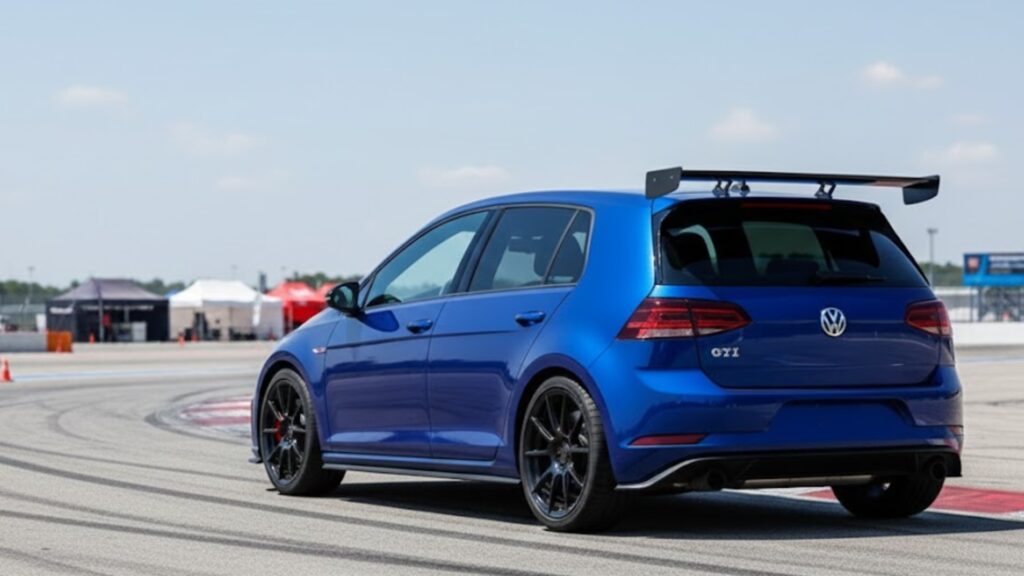
What paperwork, testing and warranty should I demand in South Africa?
When buying a used engine or gearbox in South Africa, get everything in writing. Essential paperwork includes:
- Formal invoice with VAT and payment records for claims
- Engine/gearbox test reports (compression, leak-down, gearbox scan)
- Clear warranty terms, return policy and core exchange conditions
- VIN/ECU compatibility confirmation and any coding notes
Ask for Email/video cold-start proofs and a documented inspection checklist. A reputable seller will supply a written warranty and be transparent about what is covered (labour vs. parts) and for how long. If they offer nationwide parts delivery and workshop trade supply, that usually indicates a larger operation capable of supporting after-sales service.
Where can I source parts, engines and fitment partners in South Africa?
Locally, Pretoria is a hub for used and rebuilt engines, second-hand gearboxes and drivetrain components. Suppliers often provide VIN fitment support, core exchange programs and nationwide delivery. Check options such as our main site and product categories for tested units and workshop referrals; these pages list available stock and fitment support:
- LRD Pretoria homepage
- Parts & engines shop
- VW 2nd-hand engines
- Ford & other categories
- Technical blogs & buying guides
These resources can help you compare options: OEM vs aftermarket parts, stripped spares availability, and whether a supplier offers compression-tested engines or rebuilt units with a warranty. For Golf 7 GTI owners, prioritise suppliers who provide VIN/ECU checks so the replacement integrates seamlessly.
Final checklist: 12-step pre-purchase guide for the Golf 7 GTI
Before you sign, use this checklist to reduce risk and unexpected costs when purchasing a golf 7 gti:
- Verify service history and oil types used.
- Request compression-test or leak-down reports (engine health).
- Obtain cold-start and driving videos showing shift behaviour.
- Scan ECU/TCU for fault codes and ensure VIN/ECU match.
- Check DSG service records or mechatronic replacement history.
- Ask for warranty terms and core exchange program details.
- Confirm supplier can provide nationwide delivery or same-day collection in Pretoria if needed.
- Get a written estimate for ECU coding/immobiliser work if engine swapped.
- Inspect turbo, intercooler and boost hoses for leaks.
- Request a parts list for recent repairs (timing, turbo, injectors).
- Compare cost of rebuilt vs used engine vs full replacement (including labour).
- Use a reputable workshop or fitment partner for final installation and post-fit checks.
Following this checklist helps you evaluate options like rebuilt engines, imported Japanese/German engines, second-hand gearboxes and whether to accept OEM or aftermarket parts. Keep in mind popular engine and component codes vary across makes — while the Golf typically uses EA888-series codes, other popular codes we work with in the industry include 4JJ1, 1KD, N47 and 1ZZ for different vehicle families — which demonstrates the breadth of stock and testing services available from national suppliers.
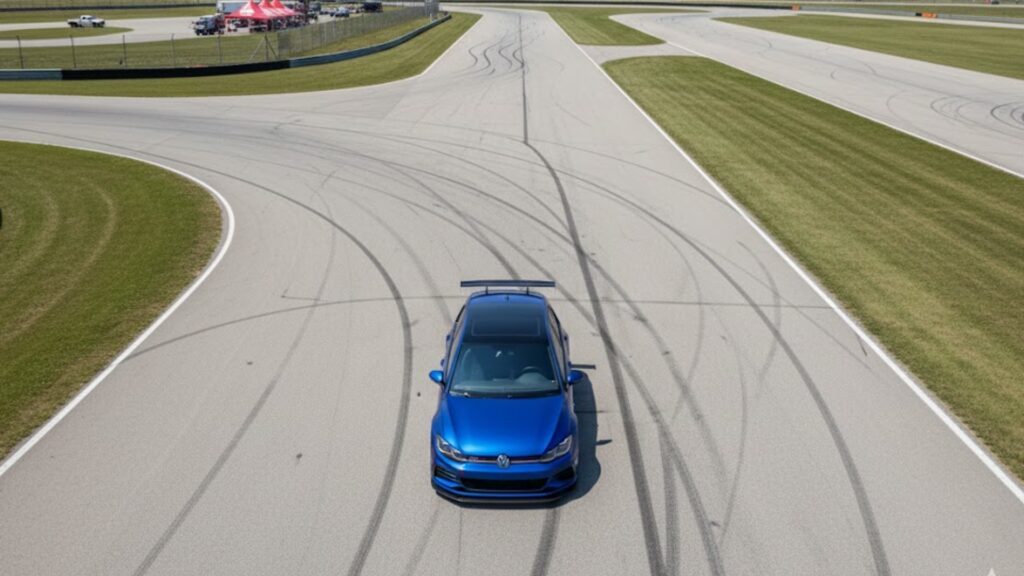
Closing notes — making the right call for your Golf 7 GTI
Deciding whether to buy a golf 7 gti in South Africa comes down to inspection, documentation and trusted sourcing. According to Volkswagen, EA888 2.0 TSI engines in GTI tune commonly produce 220–230 hp depending on the specification, and that performance level means wear on driveline components can be higher than a non-sport variant. According to ZF, the complexity of dual-clutch gearboxes makes professional diagnostics and correct servicing essential. A final practical fact: a properly tested, compression-checked, and warranty-backed replacement engine or DSG from a reputable supplier will usually be the most cost-effective route in the medium term.
If you need help sourcing tested VW engines, rebuilt units, second-hand gearboxes or fitment partner referrals in Pretoria and across South Africa, our listings and trade-supply options provide VIN compatibility support, core exchange programs, and documented warranty terms to protect your purchase.