
Golf4 Engine & Gearbox Guide: Codes, Compatibility, Swap Tips
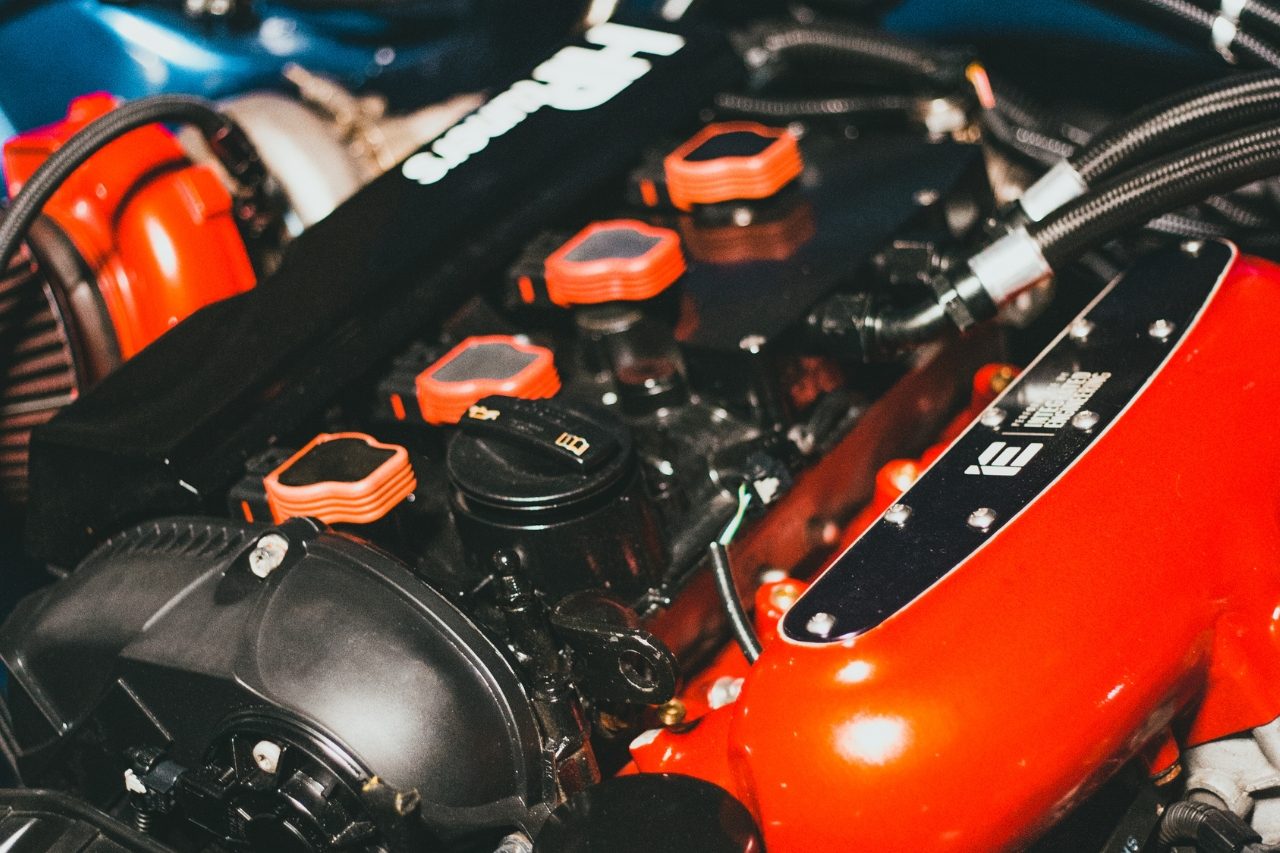
The golf4 (Mk4 Golf), produced from 1997 to 2006, remains one of Volkswagen’s most tunable and versatile platforms. Thanks to its wide range of engine options and drivetrain configurations, it’s a favorite for engine swaps and gearbox conversions. Whether you’re restoring, upgrading, or building a sleeper, this guide dives into the engine and gearbox codes, swap compatibility, and expert tips.
What are the most common Golf4 engine codes and what do they mean?
Volkswagen used a wide variety of engine codes across the golf4 lineup. These codes identify the exact engine variant and help ensure compatibility with parts and ECUs.
| Engine Code | Engine Type | Output | Notes |
|---|---|---|---|
| AXP | 1.4L 16v Petrol | ~75 hp | Base model, low tuning potential |
| AZD | 1.6L 16v Petrol | ~105 hp | Common, decent daily engine |
| AGN | 1.8L 20v Petrol | ~125 hp | Reliable, pre-turbo version |
| AGU | 1.8T 20v Petrol | ~150 hp | Strong aftermarket support |
| AUM | 1.8T 20v Petrol | ~150 hp | Drive-by-wire, VVT |
| ARL | 1.9 TDI Diesel | ~150 hp | High-performance diesel |
| ASZ | 1.9 TDI Diesel | ~130 hp | Tuning-friendly diesel |
| BCB | 2.0L Petrol | ~115 hp | Reliable but underwhelming |
| BDE | 2.8L VR6 | ~204 hp | For 4Motion VR6 versions |
The AGU and AUM 1.8Ts are among the most sought-after for tuning and swaps. Diesel fans typically go for the ASZ or ARL engines for torque and economy.
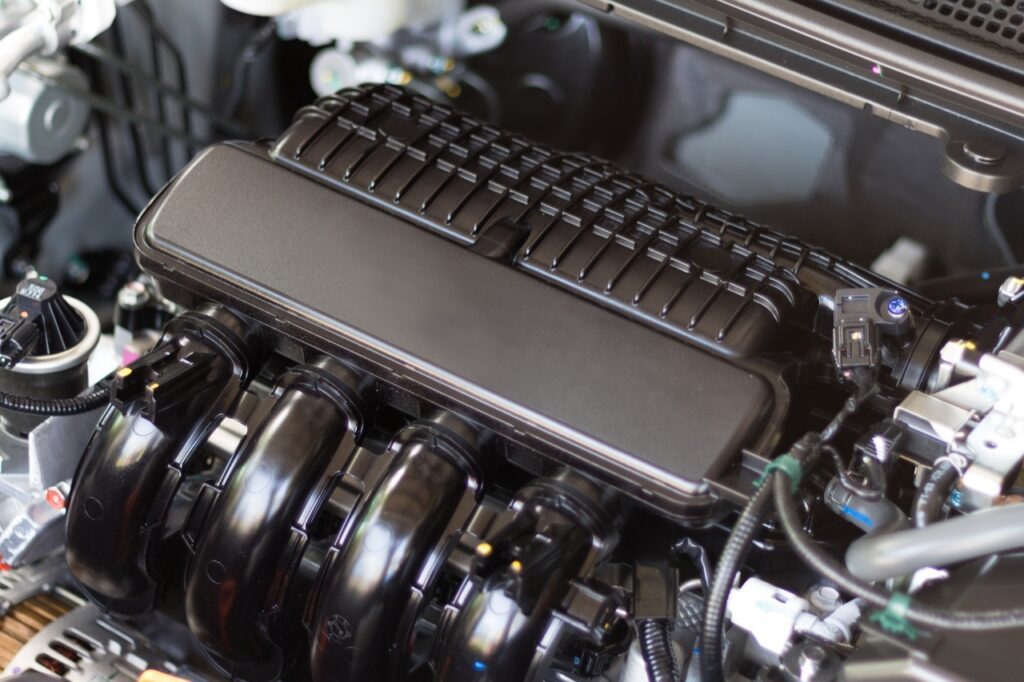
Which Golf4 engines are the best for performance tuning?
If you’re aiming for performance, the 1.8T 20v engines (AGU, AUM, AUQ) are the top choices. These engines respond well to bolt-ons and ECU remaps, with Stage 1 tunes often pushing power from 150 hp to 200 hp+. The 2.8L VR6 is another great option for naturally aspirated performance, especially when paired with a manual transmission and 4Motion system.
Diesel fans often turn to the ARL and ASZ engines for impressive torque gains with ECU remaps. It’s not uncommon to see tuned ARL engines pushing 180–200 hp with upgraded turbos and injectors.
Can I swap a 1.8T engine into a non-turbo Golf4 model?
Yes, it’s a popular upgrade. Swapping a 1.8T engine into a Golf4 that originally had a 1.4, 1.6, or even 2.0L engine is feasible. However, it requires:
- Engine and ECU with matching wiring harness
- Turbo-compatible exhaust system
- Intercooler and piping
- Upgraded fuel pump and injectors
- Compatible gearbox (usually 5-speed EGS or 6-speed O2M)
- Engine mounts (may differ slightly by model)
Don’t forget to upgrade brakes and suspension to handle the extra power. Always check your local registration and emissions compliance rules post-swap.
What gearbox codes are used in the Golf4?
Gearbox codes are just as important as engine codes for swap compatibility. Here are some common ones:
| Gearbox Code | Type | Notes |
|---|---|---|
| EGS | 5-speed manual | Common with 1.8T models |
| DUU | 5-speed manual | Found in 1.6L petrols |
| DQY | 6-speed manual | VR6 and 4Motion models |
| O2J | 5-speed manual | Stronger, tunable option |
| O2M | 6-speed manual | Ideal for high-power builds |
| FNH | 5-speed manual | Used in TDI engines |
The O2M 6-speed is the gold standard for turbo builds, especially for anyone planning to exceed 250 hp.
How do I identify my engine or gearbox code?
Your golf4’s engine and gearbox codes can be found in:
- VIN sticker (in the trunk near the spare wheel well or in the service manual)
- Timing cover or engine block (physically stamped)
- Gearbox casing (next to the transmission housing bolts)
Always double-check the code before buying used parts or planning a swap to avoid incompatibilities.
Which gearboxes are interchangeable with Golf4 engines?
You can mix and match gearboxes across many Golf4 engines, especially between 1.8T, TDI, and VR6 variants. Key compatibility tips:
- Use TDI gearboxes with TDI engines due to torque curve matching.
- 1.8T engines can pair with both 5-speed O2J and 6-speed O2M boxes.
- Some 2.0L and 1.6L boxes are physically compatible but have shorter gear ratios—not ideal for tuned engines.
Make sure the clutch kit matches the gearbox and flywheel. If swapping from auto to manual, you'll need to convert the pedal box and wiring as well.
What parts are needed for a complete engine swap?
Swapping an engine in a golf4 requires a comprehensive list of parts:
- Donor engine (with all sensors and ancillaries)
- Matching ECU and wiring harness
- Transmission (and shifter linkage)
- Driveshafts compatible with the gearbox
- Clutch, flywheel, and pedal assembly (for manual swaps)
- Exhaust manifold and downpipe
- Radiator, intercooler, and associated piping (for turbo models)
- Engine mounts
- Throttle body and intake system
- Fuel lines and upgraded pump if needed
You can find used engines and gearboxes at LRD Pretoria, including other options like Nissan or Citroën engines.
What challenges arise when swapping TDI engines into petrol Golf4 models?
Swapping a diesel (TDI) engine into a petrol Golf4 is more complex due to:
- Wiring harness and ECU differences
- Different engine mounts
- Fuel system changes (return vs returnless setup)
- Exhaust and intake routing
- Emissions sensor placement and compatibility
- Gearbox gear ratios and driveshaft lengths
While possible, it’s often easier to swap petrol for petrol or diesel for diesel to minimize complexity.
Is the 4Motion system compatible with all Golf4 engines?
No, 4Motion (AWD) was primarily paired with the 2.8L VR6 and some 1.9 TDI Syncro models. To retrofit 4Motion:
- You’ll need the complete rear subframe, Haldex system, driveshaft, and rear differential.
- Floorpan modifications may be required on FWD shells.
- It’s a major project, often only done for high-performance builds or show cars.
For most users, building a high-powered FWD Golf4 is more cost-effective.
Where can I find used engines and gearboxes for my Golf4?
Check out LRD Pretoria’s VW engines section for quality second-hand motors and transmissions. Their inventory includes petrol and diesel options compatible with most Golf4 models. They also stock options for Toyota and Mazda, should you need parts across platforms.