
How Long Can a Toyota Twin Cam 16 Valve Engine Last? Real Mileage Limits on These Motors
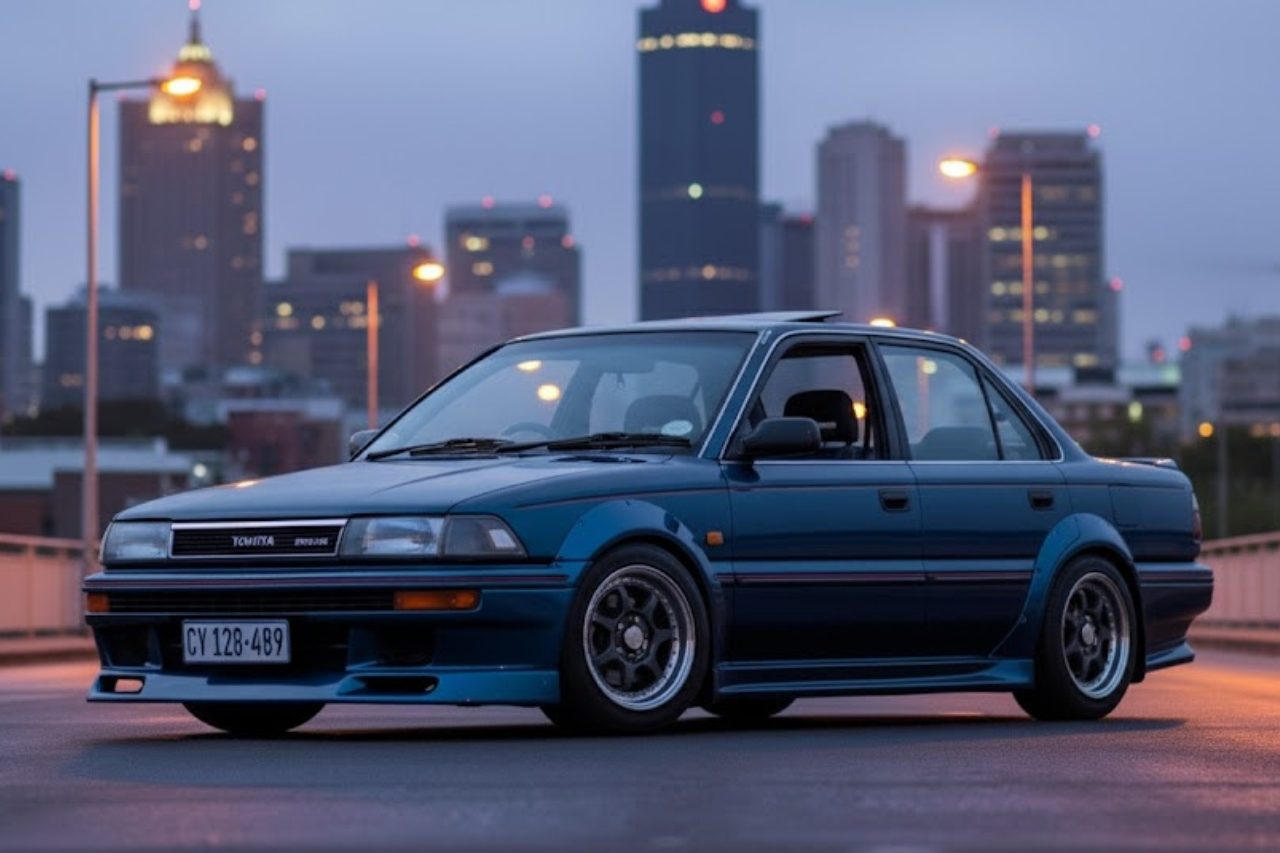
The toyota twin cam 16 valve engine has earned a reputation for durability, and understanding realistic mileage limits is essential whether you're buying a second-hand unit or maintaining your daily bakkie in South Africa.
How long can a Toyota Twin Cam 16 Valve Engine realistically last?
Many Toyota twin cam 16 valve engine variants can exceed 300,000 km when serviced properly; some examples — especially petrol DOHC (double overhead camshaft) designs — are known to run well past 400,000 km with timely maintenance. Lifespan depends on model, usage, and service history, and you should judge a candidate engine by history, tests and paperwork rather than sticker mileage alone.According to industry references, DOHC designs (which include many Toyota twin cam 16 valve engines) allow better breathing and valve control, contributing to efficient combustion and longevity. According to a 2019 study by iSeeCars, Toyota models frequently appear among the longest-lasting passenger vehicles, reinforcing that the brand and its engines tend to sustain high mileages under proper care.
What factors most influence the lifespan of a twin cam 16 valve Toyota engine?
Several factors have a direct impact on how long a toyota twin cam 16 valve engine lasts. These include lubrication and oil-change intervals, timing system condition (belt or chain), cooling system health, load cycles (towing, off-road bakkie work, or fleet use), and whether the engine has been compression-tested and leak-down checked before purchase.- Maintenance history — frequency of oil/filter changes and correct oil grade
- Driving conditions — high-speed highway vs short-stop city cycles
- Mechanical issues — head gasket, timing belt/chain wear, valve guide/seal wear
- Quality of parts — OEM vs aftermarket replacements
Which Toyota engine codes of twin cam 16 valve family are known to last the longest?
Certain codes in Toyota's twin cam family have reputations for longevity. Popular petrol codes include 1ZZ-FE and 1NZ-FE (common in Corolla, RunX and bakkie/adapted conversions), while older diesel petrol hybrids and some 4Y variants are famous for durability in bakkie and light commercial use. In South African workshops you’ll see these codes frequently in used engines and rebuilt engines inventories.| Engine Code | Typical Fitments | Notes |
|---|---|---|
| 1ZZ-FE | Corolla, RunX, Auris | Good head durability; common in second-hand markets |
| 1NZ-FE | Yaris, Porte | Economical, long-lived if timing and cooling are maintained |
| 4Y | Commercial bakkies, older Hilux variants | Robust, often reconditioned for high-mileage use |
New, used or rebuilt: which is the best option for replacement in South Africa?
Your choice depends on budget, downtime tolerance, and long-term plans. A brand-new Toyota engine (rare as direct-fit new units) gives the longest potential service life but carries the highest price. A rebuilt engine — professionally remanufactured with warranty — balances cost and reliability. Used or imported Japanese/German engines are cost-effective; many come compression-tested and with leak-down reports but may have shorter remaining life.- New: highest cost, longest life potential (rare for older models).
- Rebuilt: mid-cost, warranty-backed units often come with core exchange programs.
- Used/imported: lowest cost, varies in condition; insist on test reports and video cold-start proofs.
How should you verify a used Toyota twin cam 16 valve engine before buying?
Verify with objective tests and paperwork rather than visual impressions alone. Ask for compression-tested engines with full leak-down reports, Email/video cold-start proofs, and documented service history. A compression test across cylinders should show consistent values; significant variance indicates ring, valve or head issues.- Request compression and leak-down reports.
- Insist on cold-start video showing no white/blue smoke and steady idle.
- Confirm VIN/ECU compatibility and ask for ECU swap guidance if needed.
- Check for oil/coolant cross-contamination signs and external leaks.
What are early symptoms of wear or impending failure in a twin cam 16 valve Toyota engine?
Common early symptoms include intermittent misfire, rising oil consumption, coolant mixing with oil, noisy valve train, or rough idle. More severe signs are persistent white smoke on cold start (indicative of head gasket or cracked head), metal debris in oil filter, and low compression readings.- Misfires or rough idle — could be spark, injector or valve issues.
- Increased oil consumption or blue smoke — worn valve seals/guides or rings.
- Overheating and coolant loss — possible head gasket failure.
- Unusual knocking or ticking — timing chain/belt or bearing wear.
What scheduled maintenance best extends the life of a twin cam 16 valve Toyota engine?
Regular oil and filter changes using the manufacturer-recommended grade, periodic replacement of the timing belt or inspection of the timing chain, cooling-system flushes, and valve-clearance checks where applicable are essential. For many Toyota twin cam engines, timing belt/chain intervals vary by model — replace belts on schedule and regularly inspect tensioners and water pumps.| Task | Typical Interval | Why it matters |
|---|---|---|
| Oil & filter change | Every 8,000–12,000 km (or as per manual) | Prevents sludge and bearing wear |
| Timing belt replacement | 60,000–120,000 km depending on model | Prevents catastrophic valve-to-piston damage |
| Cooling system flush | Every 80,000–120,000 km | Prevents overheating and head gasket failure |
Is it worth rebuilding a worn Toyota twin cam 16 valve engine versus buying a replacement?
Cost-effectiveness depends on the extent of wear and local labour rates. A full rebuild is often worthwhile when the block and head are serviceable and you want to retain the original vehicle. Rebuild costs include machining, new pistons/rings, bearings, seals and time — but rebuilt engines are often sold with warranties and detailed reports, which reduce risk.- Rebuild: Best if damage is moderate and you want to preserve vehicle originality.
- Used/imported replacement: Cheaper and faster if a low-cost donor is in good condition.
- Rebuilt engines from a supplier: Middle ground — remanufactured to standards with warranty.
How do fitment, VIN and ECU compatibility affect an engine swap?
Fitment is more than physical mounting: modern Toyota twin cam 16 valve engines may have ECU mapping and immobiliser requirements. VIN/ECU compatibility checks are essential; some suppliers include ECU compatibility checks and will advise whether an ECU swap, reflash, or PIN-coded reprogramming is required. For manual vs automatic transmissions, ensure bellhousing, torque converter, or clutch compatibility is confirmed.- VIN/ECU compatibility checks prevent immobiliser and drivability problems.
- Gearbox matching — second-hand gearboxes and transmission components must match engine outputs (automatic & manual).
- Fitment partner referrals can save you hours in workshop labour and avoid costly mistakes.

Where can you buy trustworthy Toyota twin cam 16 valve engines and parts in South Africa?
Buy from specialised suppliers who list compression-tested engines, provide leak-down reports, and offer warranty-backed units. Reputable sellers import Japanese/German engines, supply stripped spares, and support VIN fitment. Check supplier websites for product categories and stock — for example, browse dedicated engine sections to verify available models and documentation.- Check company inventory pages for Toyota-specific stock and second-hand gearboxes.
- Ask for Email/video cold-start proofs and written return & warranty terms.
- Prefer suppliers who offer nationwide parts delivery and workshop trade supply options.
What warranty and aftercare should you demand when buying a used or rebuilt engine?
Demand written, clearly-documented return & warranty terms that specify coverage period, what is excluded, and the claims process. Quality sellers provide compression-tested engines, leak-down reports, and warranty-backed units; many run core exchange programmes to reduce cost and ease claims. Documentation should include payment & tax invoices to support insurance and warranty claims.- Minimum: 30-day functional warranty on rotation and no major oil/coolant leaks.
- Better: 3–12 month warranty with mileage cap and clear exclusions.
- Best: Remanufactured warranty with detailed test reports and core exchange terms.
Final checklist: buying or maintaining a Toyota twin cam 16 valve engine
Use this checklist to make confident decisions whether you are buying a used engine or trying to extend the life of your current motor:- Request compression and leak-down test reports.
- Ask for Email/video cold-start and idle footage.
- Confirm VIN/ECU compatibility and gearbox match.
- Get written warranty, return terms and tax/payment invoices.
- Prefer warranty-backed units with core exchange if possible.

Need help sourcing a Toyota twin cam 16 valve engine in Pretoria or nationwide?
If you need a reliable replacement or a rebuilt engine with warranty, work with suppliers who specialise in second-hand and rebuilt engines, offer VIN/ECU compatibility checks, and can support fitment. For inventory and parts browsing, consult the supplier product pages and reach out for compression-tested engines and leak-down reports before committing. For more detailed Toyota category stock and related parts, see the Toyota engines product category and the general shop page linked above.Whether you’re a private buyer, a fleet manager, or a workshop, insist on tests and documentation — it’s the simplest way to ensure your toyota twin cam 16 valve engine gives you the mileage and reliability you expect.