
NP200 Engine for Sale in South Africa: K7M and K9K Replacement Engine Guide
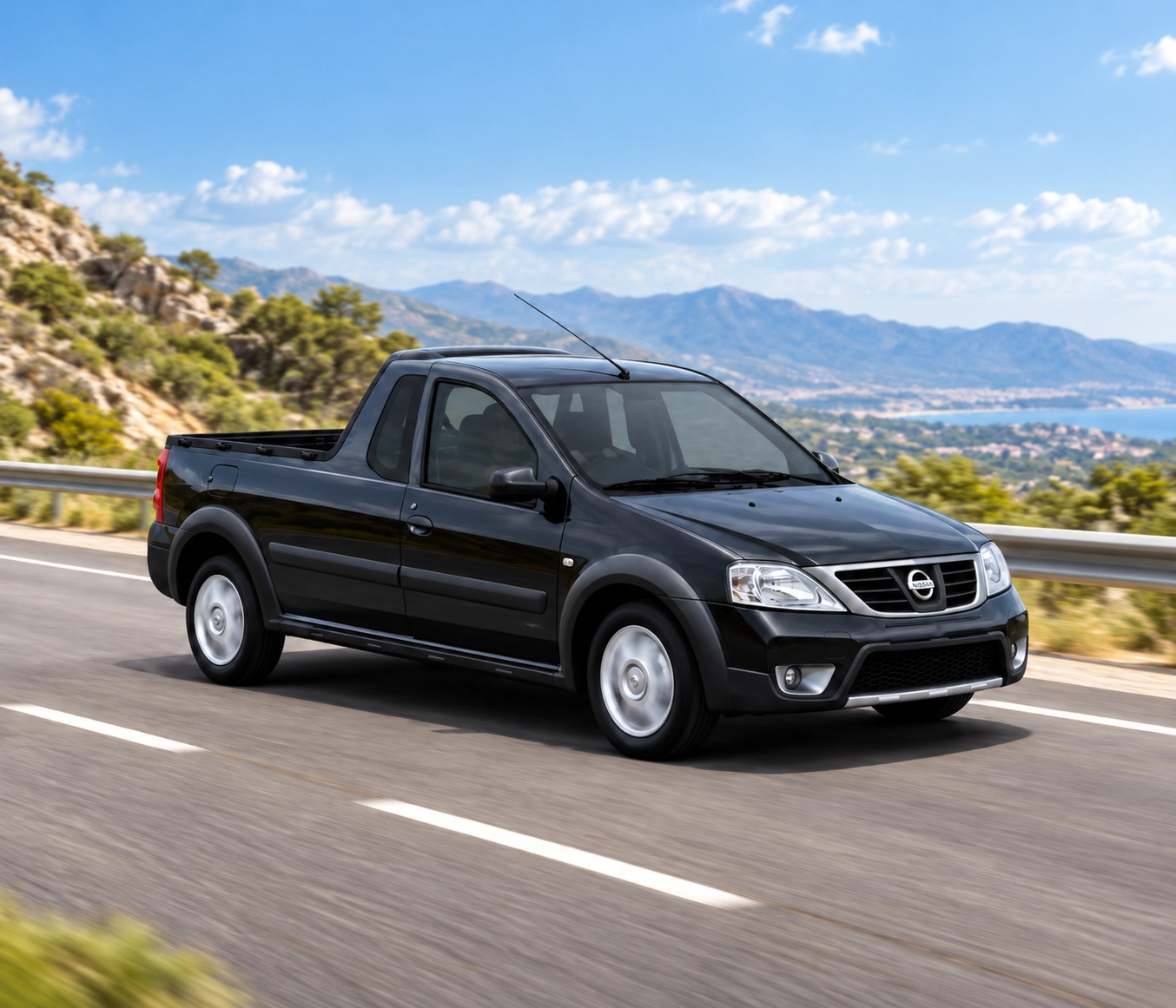
An np200 engine for sale in South Africa may refer to several different Nissan NP200 engine options. The best-known versions include the K7M 1.6 petrol and K9K 1.5 dCi diesel.
These engines differ significantly in fuel system, output, turbocharging and supporting components. Buyers should therefore confirm the original engine code before ordering a replacement.
The NP200 also used a 1.6-litre 16-valve petrol engine in earlier model years. This K4M version adds another important compatibility consideration.
This guide compares the K7M and K9K engines, explains key fitment differences and covers important checks before replacement. South African buyers can also use the LRD Pretoria Nissan brand guide for additional engine-code information.
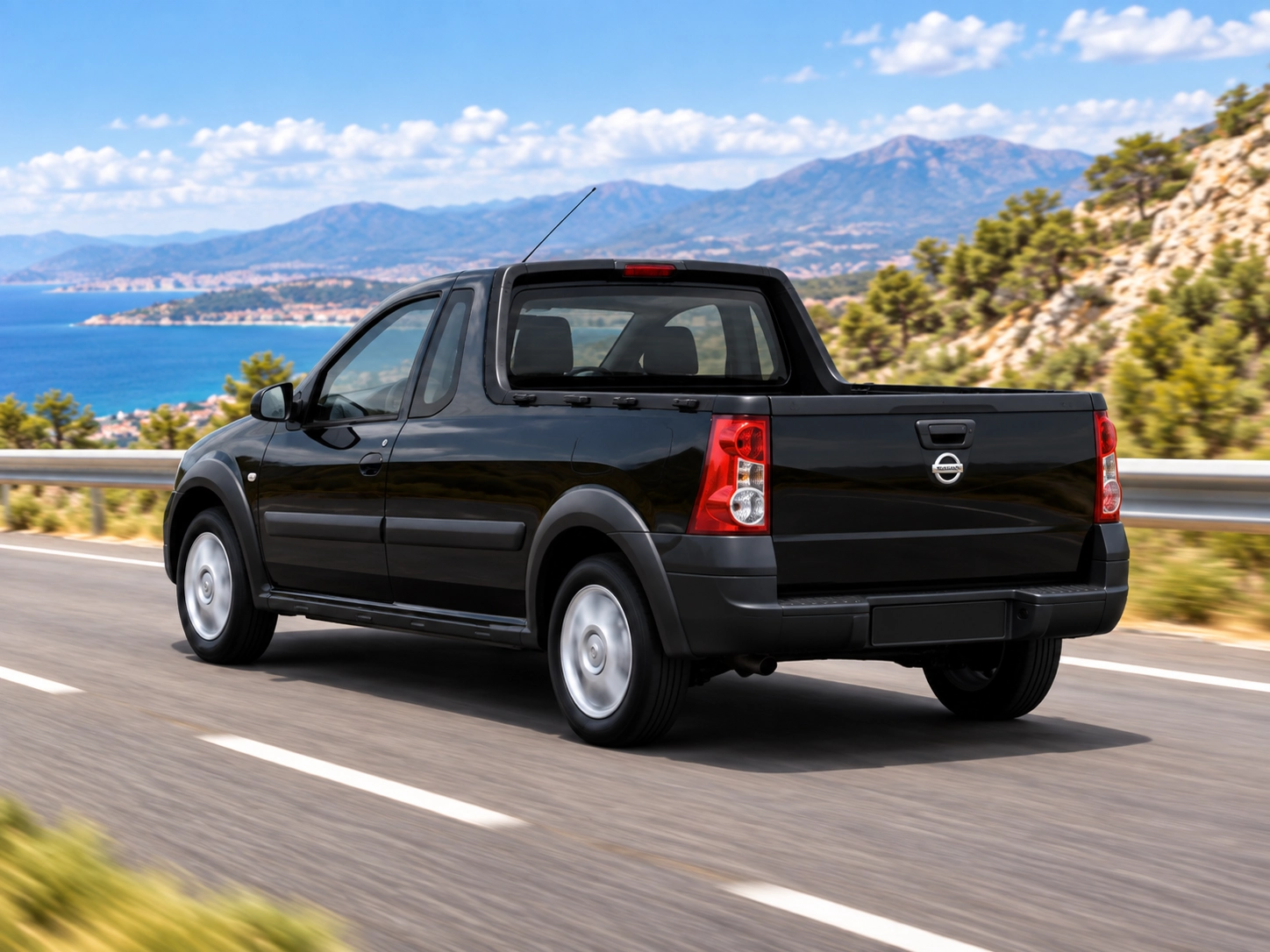
What Engines Does the Nissan NP200 Use?
The South African Nissan NP200 used three main engine configurations during its production life.
K7M 1.6 8V petrol – approximately 64 kW and 128 Nm.
K4M 1.6 16V petrol – approximately 77 kW and 148 Nm.
K9K 1.5 dCi diesel – approximately 63 kW and 200 Nm.
The K7M became the long-running base petrol engine. Nissan continued offering the 1.6 8V after the other engines left the new-vehicle range.
The K9K diesel offered more torque and lower claimed fuel consumption. However, its turbo and common-rail fuel system make it mechanically different from the petrol engines.
Nissan NP200 K7M and K9K Engine Specifications
The K7M and K9K power the same NP200 platform but use very different engine designs.
Nissan NP200 K7M petrol vs K9K diesel specifications | ||
Specification | K7M 1.6 Petrol | K9K 1.5 dCi Diesel |
|---|---|---|
Engine code | K7M | K9K |
Capacity | 1,598 cc / 1.6L | 1,461 cc / 1.5L |
Fuel | Petrol | Diesel |
Cylinders | Inline four-cylinder | Inline four-cylinder |
Valves | 8 valves | 8 valves |
Aspiration | Naturally aspirated | Turbocharged |
Fuel system | Petrol injection | Common-rail direct injection |
Power | 64 kW at 5,500 rpm | 63 kW |
Torque | 128 Nm at 3,000 rpm | 200 Nm at around 1,900 rpm |
Timing drive | Timing belt | Timing belt |
What Is the Nissan NP200 K7M Engine?
The K7M is the 1.6-litre 8-valve petrol engine fitted to many South African Nissan NP200 models.
It uses a naturally aspirated four-cylinder layout and produces approximately 64 kW and 128 Nm in the NP200.
The K7M also has Renault origins. Related versions appeared in vehicles such as the Renault Logan and Sandero.
Shared engine codes can make donor engines possible. However, buyers still need to compare external components before fitment.
What Is the Nissan NP200 K9K Diesel Engine?
The K9K is a 1.5-litre four-cylinder dCi turbo-diesel engine. Nissan offered it in earlier NP200 diesel derivatives.
The NP200 version produces approximately 63 kW and 200 Nm. Its torque arrives much lower in the rev range than the K7M petrol engine.
The K9K uses common-rail direct fuel injection and turbocharging. These systems require diesel-specific injectors, fuel components, sensors and engine management.
A petrol K7M and diesel K9K are therefore not simple substitutes for each other.
Did the Nissan NP200 Also Use a K4M Engine?
Yes. Earlier South African NP200 models also offered a 1.6-litre 16-valve K4M petrol engine.
This version produced approximately 77 kW and 148 Nm. That makes it more powerful than the 8-valve K7M.
Do not assume that a K4M can directly replace a K7M. Cylinder-head design, wiring, intake components and engine management differ.
The full engine code remains important even when both engines have the same 1.6-litre displacement.
Is Every Nissan NP200 Engine Interchangeable?
No. Nissan NP200 engines differ by engine code, fuel type and supporting systems.
A K7M, K4M and K9K may fit the same vehicle platform. However, each engine uses different mechanical and electronic components.
Important Nissan NP200 engine compatibility checks | ||
Component | What to Check | Why It Matters |
|---|---|---|
Engine code | K7M, K4M or K9K | Confirms the basic engine specification |
Fuel type | Petrol or diesel | Fuel systems differ completely |
ECU and wiring | Connectors and calibration | Incorrect electronics can prevent proper operation |
Intake system | Manifold, throttle body or diesel intake | External components vary by engine |
Turbo system | K9K turbo and plumbing | Petrol K7M models do not use this system |
Gearbox side | Flywheel, clutch and starter | Transmission-side parts must match |
Engine mounts | Brackets and mounting points | Donor components may differ |
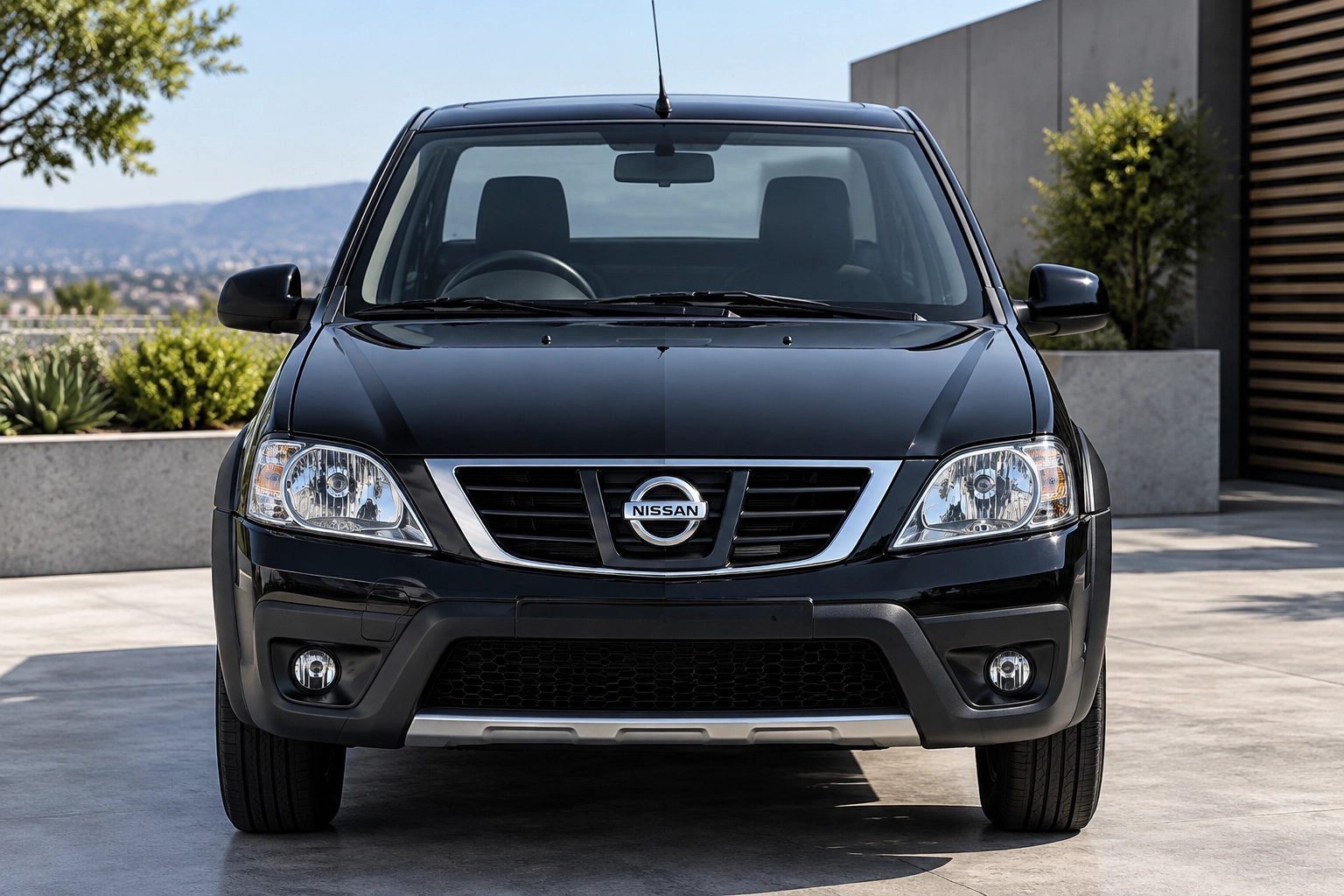
How Do You Identify the Correct NP200 Engine for Sale?
The safest way to identify an np200 engine for sale is to start with the engine code and VIN.
Then compare the model year, fuel type and gearbox. Clear photographs can help confirm external components.
Full VIN
Original engine code
NP200 production year
Petrol or diesel specification
8-valve or 16-valve petrol specification
Gearbox type
Photographs of the complete engine
Photographs of the intake side
Photographs of wiring and sensors
Photographs of the gearbox side
LRD Pretoria also recommends matching Nissan replacement engines by model details, fuel type, engine code and gearbox specification.
Do K7M and K9K NP200 Engines Use a Timing Belt?
Yes. Both the K7M petrol and K9K diesel NP200 engines use a timing belt.
Nissan's normal NP200 maintenance schedule lists timing-belt replacement at 90,000 km or 48 months. The exact schedule depends on operating conditions.
Severe driving conditions can require more frequent maintenance. Buyers should follow the correct schedule for the specific vehicle.
An unknown timing-belt history deserves attention before installing a used engine. Access is often easier while the engine sits outside the vehicle.
What Should You Check on a Used K7M Petrol Engine?
A used K7M needs both compatibility checks and a basic mechanical inspection.
Confirm the K7M engine code.
Inspect the timing-belt condition and history.
Check for external oil leaks.
Inspect coolant condition.
Look for signs of previous overheating.
Inspect ignition components.
Check the intake and throttle-body configuration.
Compare wiring and sensors.
Confirm engine mounts and brackets.
Compare the flywheel, clutch and starter arrangement.
Misfires or rough running do not always mean the complete K7M has failed. Ignition, fuel and intake faults can produce similar symptoms.
What Should You Check on a Used K9K Diesel Engine?
The K9K requires additional checks because it uses turbocharging and high-pressure common-rail diesel injection.
Confirm the exact K9K application.
Check the timing-belt history.
Inspect the turbocharger.
Check turbo oil-feed and return lines.
Inspect the intercooler and boost hoses.
Check diesel injectors and fuel connections.
Inspect the high-pressure fuel system.
Check wiring and engine-management sensors.
Look for oil or coolant contamination.
Inspect for evidence of overheating.
Fuel-system or turbo faults can imitate internal engine problems. A workshop should diagnose those systems before condemning the complete K9K.
What Can Cause an NP200 Engine to Lose Power?
Loss of power can come from several engine and supporting-system faults.
On a K7M petrol engine, check ignition, fuel delivery, intake leaks, timing and compression.
On a K9K diesel, also inspect turbo boost, diesel pressure, injectors and intake plumbing.
A diagnostic scan can help identify electronic faults before a replacement engine becomes necessary.
Can Overheating Damage an NP200 Engine?
Yes. Severe overheating can damage both petrol and diesel NP200 engines.
High temperatures can damage the cylinder head, head gasket, pistons and bearings. Continued driving can increase the damage.
Possible cooling-system causes include radiator problems, coolant leaks, thermostat faults, water-pump problems and damaged hoses.
Repair the original cooling-system fault before installing another engine. Otherwise, the same problem can damage the replacement.
Should You Repair or Replace an NP200 Engine?
The correct choice depends on the actual fault and internal engine condition.
Nissan NP200 engine repair versus replacement | ||
Option | When It May Make Sense | Main Consideration |
|---|---|---|
External repair | Ignition, injector, turbo or sensor fault | Internal engine must remain healthy |
Timing repair | Timing-belt problem without major internal damage | Check for secondary damage |
Cylinder-head repair | Damage remains limited to the head | Bottom end must remain serviceable |
Engine rebuild | Major components remain reusable | Compare labour and parts costs |
Replacement engine | Severe internal damage exists | Match the exact engine code |
Replacement becomes more relevant after seizure, major bearing damage, severe overheating or serious compression loss.
What Should You Check Before Installing an NP200 Replacement Engine?
Inspect the supporting systems before installing another engine. This helps prevent the same fault from damaging the replacement.
Cooling system
Radiator
Thermostat
Water pump
Timing belt and related components
Engine oil and filter
Fuel system
Ignition system on petrol models
Turbo and boost system on diesel models
Wiring and sensors
Engine mounts
Clutch and flywheel
Gearbox connection
After installation, check oil pressure and coolant circulation. Confirm stable temperature, smooth operation and no fluid leaks.
Scan the vehicle for diagnostic fault codes before returning it to regular use.
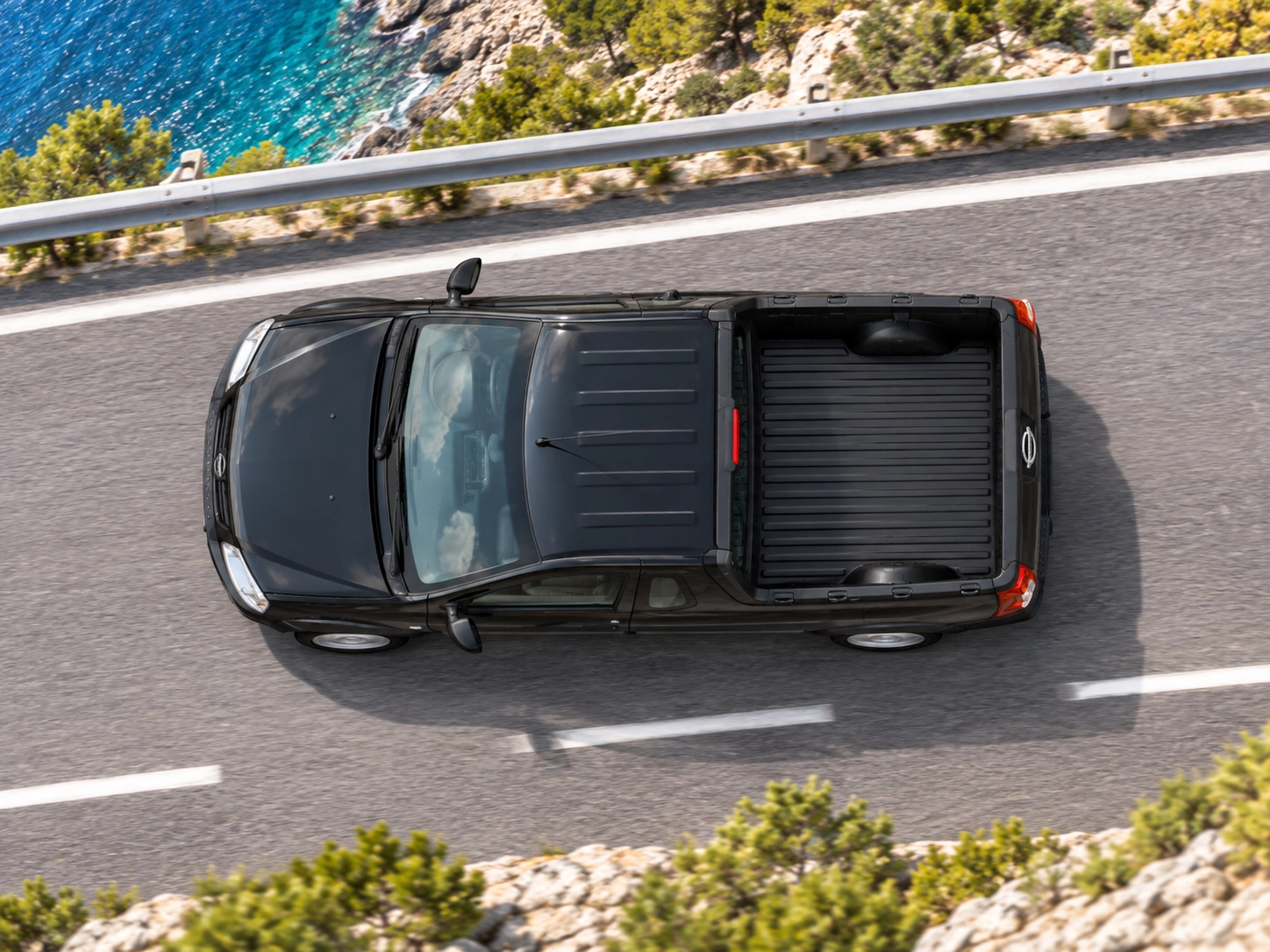
Where Can You Find an NP200 Engine for Sale in South Africa?
South African buyers looking for an np200 engine for sale can contact LRD Pretoria to check current K7M, K9K or related Nissan engine availability.
LRD Pretoria supplies imported replacement engines and advertises nationwide delivery. Stock changes, so confirm availability before arranging fitment.
Use the Nissan engine and gearbox guide to review Nissan replacement information.
You can also contact LRD Pretoria with the VIN, engine code, model year and photographs of the existing engine.
Nissan NP200 Engine FAQs
What engine does the Nissan NP200 1.6 8V use?
The Nissan NP200 1.6 8V commonly uses the K7M 1,598 cc petrol engine. It produces approximately 64 kW and 128 Nm.
What engine does the NP200 1.5 dCi use?
The NP200 1.5 dCi uses the K9K 1,461 cc turbo-diesel engine. The NP200 version produces approximately 63 kW and 200 Nm.
Did the Nissan NP200 use a K4M engine?
Yes. Earlier NP200 models offered a 1.6-litre 16-valve K4M petrol engine producing approximately 77 kW and 148 Nm.
Does the NP200 K7M use a timing belt?
Yes. The K7M NP200 petrol engine uses a timing belt.
Does the NP200 K9K diesel use a timing belt?
Yes. The K9K 1.5 dCi also uses a timing belt.
Can a K7M replace a K9K?
Not as a normal direct replacement. One is petrol and the other is diesel, so their fuel systems and electronics differ substantially.
Can a Renault K7M engine fit an NP200?
A related K7M may provide a compatible base engine. However, manifolds, mounts, wiring, sump and transmission-side components still need comparison.
Can a Renault K9K engine fit an NP200?
Some Renault and Nissan vehicles use K9K-family engines. However, K9K derivatives vary, so buyers must compare the exact specification and external components.
What information should I provide when buying an NP200 engine?
Provide the VIN, full engine code, model year, fuel type, gearbox information and clear photographs of the original engine.
Final Advice Before Buying an NP200 Replacement Engine
The safest way to buy an np200 engine for sale is to identify the exact engine already fitted to the vehicle.
The K7M 1.6 petrol and K9K 1.5 dCi diesel use very different fuel and engine-management systems.
Earlier NP200 models also used the K4M 1.6 16V petrol engine. This makes the full engine code essential during replacement.
Check the VIN, model year, gearbox, wiring, manifolds and external components before purchase. Also inspect the cause of the original engine failure.
South African buyers can use the LRD Pretoria Nissan brand guide or contact LRD Pretoria to check suitable replacement options.