
VW Golf 4 Engines in Pretoria: How to Find the Correct Replacement Engine

The Volkswagen Golf 4 remains a familiar sight on South African roads. Its practical design, wide range of petrol and diesel engines and strong parts availability have helped many examples remain in daily use long after production ended.
However, age, high mileage, overheating, poor servicing and previous repairs can eventually lead to serious engine problems. When the original motor can no longer be repaired economically, installing the correct replacement Golf 4 engine may be the most practical way to return the vehicle to reliable service.
Choosing a replacement involves more than matching the words “Golf 4” and the engine capacity. Different Golf 4 models use different engine codes, electronics, intake systems, gearboxes, engine mounts and fuel-management configurations. This guide explains how to identify the correct unit and source a suitable engine from a specialist engine and gearbox supplier in Pretoria.

What is the Volkswagen Golf 4?
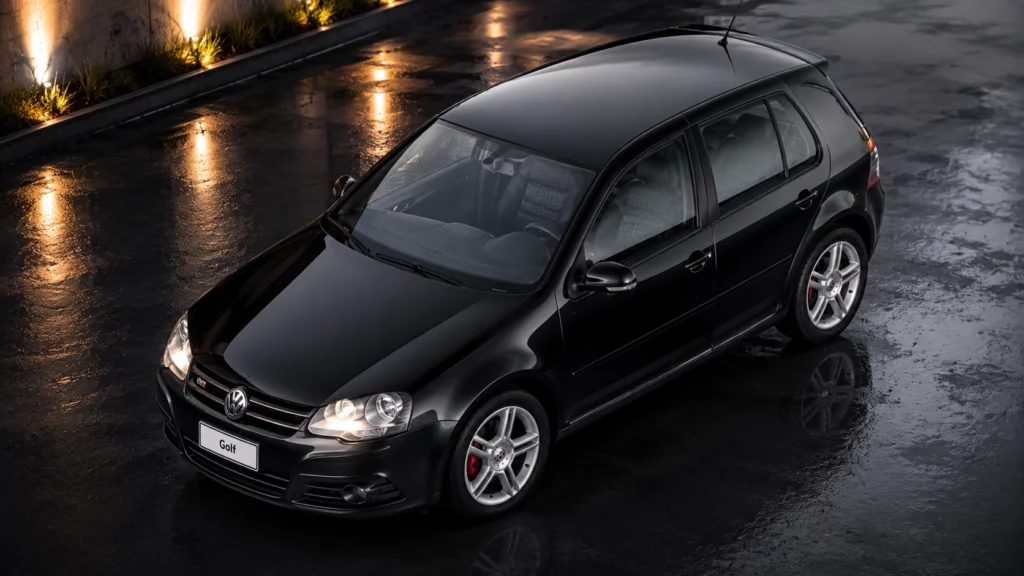
The Golf 4, also known as the Golf Mk4 or Type 1J, is the fourth generation of Volkswagen’s Golf range. Volkswagen identifies the Golf IV generation as running from 1997 to 2003, although the exact years and model availability differed between countries and production markets.
You can view Volkswagen’s official overview of the fourth-generation Golf for more information about the model’s development.
The Golf 4 was produced with a broad selection of petrol and diesel engines. These ranged from smaller naturally aspirated four-cylinder units to turbocharged petrol engines, 1.9-litre diesel engines and specialist VR5, VR6 and R32 derivatives.
Why is the Golf 4 engine code important?
The engine code identifies the specific engine version and is one of the most important details needed when sourcing a replacement. Two engines can have the same capacity and look almost identical while using different cylinder heads, sensors, wiring, intake systems or engine-management software.
For example, descriptions such as “Golf 4 1.6 engine” or “Golf 4 1.9 TDI engine” are not specific enough to guarantee compatibility. Several different engine codes were used within these capacities, depending on the production year, market, power output and gearbox configuration.
The safest replacement is normally an engine with the same complete code as the original unit. Where a related engine code is being considered, a qualified workshop should confirm which components must be transferred and whether the ECU, wiring, gearbox and mounting points will remain compatible.
Which engines were fitted to the Golf 4?
The Golf 4 engine range varied considerably between markets. Engine capacities included approximately 1.4, 1.6, 1.8, 2.0, 2.3, 2.8, 3.2 and 1.9-litre diesel options. Not every engine was sold in every country or fitted throughout the model’s complete production period.
The following table provides examples of engine codes associated with the Golf 4 and related Volkswagen Group applications. It is a general identification guide and should not replace a physical engine-code and VIN check.
| Engine type | Example codes | Important consideration |
|---|---|---|
| 1.4-litre petrol | AHW, AXP, BCA and related variants | Check cylinder-head, electronics and gearbox compatibility |
| 1.6-litre petrol | AEH, AKL, AVU, BFQ and related variants | Capacity alone does not confirm interchangeability |
| 1.8-litre petrol | AGN and related variants | Confirm intake, management system and gearbox details |
| 1.8-litre turbo petrol | AGU, AUM, AUQ and related variants | Turbo, ECU, throttle and wiring systems can differ |
| 2.0-litre petrol | APK, AQY and related variants | Check sensors, sump, mounts and transmission pairing |
| 1.9-litre diesel | AGR, AHF, ALH, ASV, ATD, ASZ and related variants | Injection system, turbocharger and gearbox must be matched |
| 2.3-litre VR5 | AGZ, AQN and related variants | Specialist electronics and drivetrain matching required |
| 2.8-litre VR6 | AQP, AUE and related variants | Confirm drivetrain, ECU, gearbox and 4MOTION equipment |
| 3.2-litre R32 | Generation and market-specific VR6 variants | Specialist matching is essential before purchase |
Engine-code availability can also differ between imported engines and locally sourced units. Buyers should never assume that every engine listed under a related Volkswagen, Audi, SEAT or Škoda application will be a direct Golf 4 replacement.
How do I identify the correct Golf 4 engine?
The original engine should be identified before it is removed, stripped or discarded. Accurate information helps the supplier compare the vehicle with available stock and reduces the risk of ordering an incompatible motor.
- Record the complete vehicle identification number.
- Locate and photograph the engine-code stamping.
- Confirm the Golf 4 production year and body type.
- Confirm the engine capacity and whether it is petrol or diesel.
- Identify whether the engine is naturally aspirated or turbocharged.
- Confirm whether the vehicle uses a manual or automatic gearbox.
- Record the gearbox code where possible.
- Photograph the wiring plugs, intake, exhaust, sump and engine mounts.
- Confirm whether the replacement is needed as a bare or complete engine.
- Ask the workshop to verify the ECU and immobiliser configuration.
The vehicle registration paperwork may include an engine number, but the physical markings should still be checked. An older Golf 4 may already have received an engine replacement or conversion during its lifetime.
Where can I find the Golf 4 engine code?
The engine code is usually stamped onto the engine block. It may also appear on a vehicle identification label, service documentation or manufacturer data sticker. The precise location differs between petrol, turbocharged and diesel engines.
Oil, dirt, corrosion or previous repairs can make the stamping difficult to read. Clean the area carefully and take clear photographs in good lighting. Do not grind, file or damage the identification surface while trying to expose the code.
When the code cannot be confirmed physically, the VIN and gearbox information should be supplied to a Volkswagen specialist. Visual appearance alone is not reliable enough for final engine identification.
What causes a Golf 4 engine to fail?
Many Golf 4 vehicles are now high-mileage cars, and their condition depends heavily on servicing and previous repairs. Engine failure may result from one major incident or from several smaller faults that were ignored over time.
- Driving with insufficient engine oil
- Using incorrect oil or extended service intervals
- Oil-pump or oil-pressure failure
- Timing-belt, tensioner or timing-chain failure
- A leaking water pump, thermostat housing or coolant flange
- Repeated overheating
- Cooling-fan or radiator failure
- Turbocharger failure on turbo petrol or diesel engines
- Incorrect fuelling, detonation or injector problems
- Blocked crankcase ventilation or intake systems
- Water entering the engine during flooding
- Poor-quality previous repairs
A warning light, oil leak or misfire does not automatically mean that the complete engine has failed. Proper diagnostic and mechanical testing should be completed before a replacement is ordered.
What are the warning signs of a damaged Golf 4 engine?
Early symptoms should be investigated before the vehicle is driven further. Continuing to operate a Golf 4 with severe overheating, low oil pressure or internal knocking can turn a limited repair into major engine damage.
| Warning sign | Possible cause | Recommended test |
|---|---|---|
| Blue exhaust smoke | Oil entering the combustion chambers or turbo system | Compression, leak-down and turbo inspection |
| White smoke after warm-up | Coolant entering a cylinder | Cooling-system pressure and combustion-gas test |
| Heavy knocking noise | Bearing, piston or connecting-rod damage | Oil-pressure test and mechanical inspection |
| Repeated overheating | Cooling-system, head-gasket or cylinder-head problem | Pressure test and cooling-system inspection |
| Rough idle or misfire | Ignition, injector, intake, timing or compression fault | Diagnostic scan, smoke test and compression test |
| Loss of power | Turbo, airflow, fuel, timing or compression problem | Boost test, live-data scan and mechanical testing |
| Oil warning light | Low oil level, pump failure or internal wear | Mechanical oil-pressure test |
| Coolant mixed with oil | Head-gasket, oil-cooler, head or block damage | Cooling-system and internal engine inspection |
| Difficult starting | Low compression, timing, fuel or electrical fault | Starting-system, timing and compression checks |
An electronic diagnostic scan is useful, but fault codes alone should not be treated as a final diagnosis. A scan cannot directly confirm every internal bearing, piston, valve or cylinder-wall problem.
What problems affect Golf 4 1.6 engines?
The 1.6-litre Golf 4 was produced with several engine codes, including variants such as AEH, AKL, AVU and BFQ. Although these engines share a similar capacity, their electronics, intake systems and supporting components can differ.
Potential problems on an older 1.6-litre engine can include oil leaks, cooling-system leaks, rough idling, ignition faults, excessive oil consumption and timing-belt deterioration. Vacuum leaks and contaminated throttle components may also contribute to unstable idling or poor throttle response.
LRD Pretoria currently lists replacement options such as the Volkswagen Golf 4 1.6 AKL engine, Golf 4 1.6 AEH engine and Golf 4 1.6 BFQ engine. Current availability and compatibility must still be confirmed before purchase.
Can an AKL engine replace an AEH engine?
The AKL and AEH are related 1.6-litre Volkswagen engines, but buyers should not assume that they are identical in every installation. Differences may exist in the intake manifold, throttle system, sensors, wiring harness, ECU calibration and ancillary components.
A workshop may be able to transfer selected components from the original engine where the basic replacement unit is suitable. This should be planned before purchase so that the buyer understands the additional parts, labour and electronic work required.
Where possible, matching the original complete engine code remains the lower-risk option.
What problems affect Golf 4 1.8T engines?
The Golf 4 1.8T is a turbocharged petrol application associated with engine codes such as AGU, AUM and AUQ. These engines can provide strong performance, but neglected lubrication, cooling or boost-system faults can become expensive.
- Oil sludge or restricted oil supply
- Turbocharger wear or oil leakage
- Crankcase ventilation and vacuum-hose leaks
- Ignition-coil and spark-plug faults
- Boost leaks and reduced performance
- Cooling-system leaks
- Timing-belt and tensioner deterioration
- Damage caused by aggressive tuning
A replacement 1.8T engine should be matched using the complete code, ECU system, throttle type, turbo configuration and gearbox information. An engine from another Volkswagen Group model may share basic architecture without being a direct plug-and-play replacement.
What problems affect Golf 4 1.9 TDI engines?
The Golf 4 was available with several 1.9-litre diesel configurations. These can differ in power output, turbocharger, injection system, ECU, wiring and gearbox arrangement.
- Timing-belt, tensioner or water-pump failure
- Turbocharger wear or boost-control faults
- Airflow-meter and intake-system problems
- EGR and intake contamination
- Fuel-injection or pump faults
- Oil leaks and crankcase-pressure problems
- Low compression and difficult cold starting
- Damage caused by incorrect oil
LRD Pretoria lists Golf 4 diesel options including the Golf 4 1.9 TDI AGR engine and Golf 4 1.9 TDI AHF or ALH engine. Customers must confirm the original engine code and injection configuration before selecting a diesel replacement.
What problems affect Golf 4 2.0 engines?
The naturally aspirated 2.0-litre Golf 4 engine is associated with codes such as APK and AQY in selected markets. Possible concerns on an older engine can include oil consumption, oil leaks, ignition faults, cooling-system problems, worn engine mounts and reduced compression.
A compression test and oil-pressure test should be completed before condemning the complete engine. A misfire may result from an ignition coil, spark plug, injector or intake leak rather than internal engine failure.
Buyers comparing this option can view LRD Pretoria’s listed Golf 4 2.0 AQY engine. The engine code, gearbox and included components should be confirmed directly before ordering.
How should a damaged Golf 4 engine be diagnosed?
The decision to replace an engine should be based on evidence rather than assumptions. A complete assessment may include both electronic and mechanical testing.
- Read the engine and gearbox fault codes.
- Inspect live engine data while the fault is present.
- Check the engine-oil level and condition.
- Measure the mechanical oil pressure.
- Perform a compression test.
- Complete a cylinder leak-down test where required.
- Pressure-test the cooling system.
- Test for combustion gases in the coolant where necessary.
- Inspect the timing belt, chain or timing correlation.
- Check ignition, injectors, airflow and fuel pressure.
- Inspect the turbo and boost system on turbocharged engines.
- Confirm the engine and gearbox codes before ordering replacements.
A compression test measures the pressure produced by each cylinder. A leak-down test helps identify whether pressure is escaping past an intake valve, exhaust valve, piston ring or head gasket. These results provide more useful evidence than replacing parts based only on fault-code descriptions.
Should I repair or replace my Golf 4 engine?
The best option depends on the engine’s internal condition, the availability of parts and the complete cost of returning the vehicle to reliable service.
Repairing the original engine may be appropriate when the problem is limited to an external gasket, sensor, ignition component, cooling-system part or accessible cylinder-head repair. The block, bearings and cylinder walls should still be in serviceable condition.
A replacement engine may provide better value when the original motor has severe overheating damage, bearing failure, a damaged block, multiple low-compression cylinders or extensive wear across several systems.
| Repair may be appropriate when | Replacement may be appropriate when |
|---|---|
| The fault is isolated and properly diagnosed | The engine has widespread internal damage |
| The block and cylinder head remain serviceable | The block or cylinder head is badly damaged |
| Compression remains even across the cylinders | Several cylinders have poor compression |
| Oil pressure remains within specification | Bearings or the crankshaft have failed |
| Required parts and machining are affordable | Repair costs approach the cost of a replacement |
| The repair carries clear written terms | A tested replacement offers better total value |
Request complete written quotations for both options. The repair quotation should include labour, machining, gaskets, timing components, fluids and likely additional parts. The replacement quotation should include the engine, fitment, service parts, fluids and component transfers.

Can I install a different engine code in my Golf 4?
Installing the same complete engine code is normally the safest replacement route. It reduces the risk of incompatibility involving the wiring, ECU, sensors, intake, engine mounts, gearbox and immobiliser system.
A related engine code may sometimes be usable, but this does not mean that it is a direct replacement. Components such as the intake manifold, throttle body, exhaust manifold, sump, oil filter housing, flywheel, flexplate, sensors and wiring may need to be transferred.
Any proposed engine conversion should be planned by an experienced workshop before the donor engine is purchased. The cost of electrical, mechanical and registration changes can make an apparently cheap engine more expensive than the correct unit.
Can an Audi engine be fitted to a Golf 4?
The Golf 4 shares parts of its platform and engine architecture with selected Audi, SEAT and Škoda models. However, a related Audi engine is not automatically a direct Golf 4 replacement.
Differences may exist in the sump, intake system, exhaust manifold, turbocharger, sensors, engine mounts, wiring harness and ECU calibration. Longitudinal and transverse engine installations can also use substantially different external components.
The engine code, donor vehicle and customer vehicle must be compared in detail. Where component transfers are required, the work should be completed by a workshop familiar with Volkswagen Group systems.
Should I buy an imported, used or rebuilt Golf 4 engine?
Replacement engines may be sold as imported used engines, locally sourced used engines, rebuilt engines or customer-owned engines rebuilt by a machine shop. None of these descriptions guarantees the condition of the specific unit.
| Engine type | Possible advantage | What to confirm |
|---|---|---|
| Imported used engine | May provide access to engines removed from lower-mileage vehicles | Testing, source, included components and written warranty |
| Locally sourced used engine | The donor vehicle may be easier to inspect or trace | Accident damage, overheating history and engine condition |
| Rebuilt engine | Major wear components may have been renewed | Machine work, parts quality and rebuilder warranty |
| Original engine rebuilt | Retains the existing engine identity and configuration | Damage extent, parts availability and total machining cost |
Ask the supplier what testing was completed and what the warranty requires from the installer. Mileage claims should be supported where possible rather than accepted without documentation.
What is included with a replacement Golf 4 engine?
The words “complete engine” can mean different things to different suppliers. One unit may include the intake, injectors and alternator, while another may be supplied without external accessories.
- Engine block and cylinder head
- Intake manifold and throttle body
- Fuel rail, injectors or diesel injection components
- Exhaust manifold and turbocharger where applicable
- Alternator and starter motor
- Air-conditioning compressor
- Power-steering pump
- Wiring harness and sensors
- Flywheel, flexplate or clutch components
- ECU, key and immobiliser components
The quotation and invoice should state exactly what is included. External accessories supplied with a used engine may carry different warranty conditions or may be excluded from the engine warranty.
Does the gearbox affect Golf 4 engine compatibility?
Yes. The gearbox type affects the bellhousing arrangement, clutch or flexplate, starter position, sensors, engine mounts and electronic control systems. Manual and automatic Golf 4 models may require different supporting components even when the engine code is related.
The gearbox code should be checked together with the engine code. A replacement engine that physically fits may still require the correct flywheel, clutch, flexplate or wiring configuration before it can operate properly.
Customers experiencing transmission symptoms can also browse LRD Pretoria’s available VW gearboxes. Slipping, delayed engagement, difficult gear selection or drivetrain vibration should be diagnosed separately from engine faults.
What should I check before buying a Golf 4 engine?
A replacement engine is a significant purchase. Confirming the following details before payment can reduce delays, additional costs and compatibility problems.
- The complete engine code and suffix
- The vehicle identification number
- The Golf 4 production year and model
- The engine capacity and fuel type
- Whether the engine is naturally aspirated or turbocharged
- The manual or automatic gearbox type and code
- Whether the engine is supplied bare or complete
- Which accessories, sensors and electronic parts are included
- What condition or compression testing was completed
- The written warranty period and exclusions
- The installation and first-service requirements
- The return procedure if the engine is incompatible
- Collection or nationwide delivery arrangements
Keep the quotation, invoice, warranty document and communication with the supplier. The installer should also keep records showing which service items and fluids were replaced during fitment.
What should be replaced before fitting a used Golf 4 engine?
A replacement engine should be inspected and serviced before installation. Maintenance items that are easy to access while the engine is outside the vehicle may become expensive to replace after fitment.
- Engine oil and oil filter
- Coolant and damaged coolant hoses
- Spark plugs on petrol engines
- Fuel and air filters where required
- Timing belt, tensioners and water pump where applicable
- Accessible crankshaft and camshaft seals
- Rocker-cover and other accessible gaskets
- Drive belts and damaged pulleys
- Thermostat where its condition is uncertain
- Clutch and release-bearing components where worn
- Contaminated radiator or oil-cooler components
- The failed component that damaged the original engine
The cause of the original failure must be corrected before the replacement engine is started. Fitting another motor without repairing a blocked radiator, failed cooling fan, contaminated intercooler or damaged fuel system can destroy the replacement engine.
How much does a Golf 4 engine cost in Pretoria?
The price of a Golf 4 engine in Pretoria depends on the engine code, condition, availability, fuel type and included components. A common naturally aspirated petrol engine may have a different price from a scarce turbo, diesel, VR6 or R32 engine.
- Engine code and capacity
- Petrol, turbo petrol or diesel configuration
- Standard or performance application
- Imported, locally sourced or rebuilt condition
- Testing and mileage information
- Bare-engine or complete-engine supply
- Included accessories and electronic components
- Warranty coverage
- Collection or delivery requirements
- Fitment labour and service parts
Compare the complete installed cost rather than only the advertised engine price. A cheaper unit can become more expensive when it requires additional sensors, manifolds, wiring, turbo components or conversion work.
Where can I buy a Golf 4 engine in Pretoria?
LRD Pretoria supplies replacement Volkswagen engines, gearboxes and related automotive components. Buyers searching in Pretoria, Centurion, Tshwane, Midrand, Johannesburg and surrounding areas of Gauteng can contact the team with their vehicle information to check current availability.
Customers should provide the VIN, engine code, production year, engine capacity and gearbox information. Clear photographs of the existing engine, code stamping, wiring connections and intake system can help the team compare available units.
Browse the available VW engines for sale or visit the complete LRD Pretoria engine and gearbox shop. Stock changes regularly, and not every available Golf 4 engine may be displayed online at the same time.
Can a Golf 4 engine be delivered outside Pretoria?
Customers outside Gauteng may be able to arrange delivery to other parts of South Africa, subject to the engine’s size, destination and the available freight service. Delivery charges and insurance should be confirmed before payment.
The engine should be packaged and secured correctly for transport. Photographs should be taken before dispatch, and the receiving workshop should inspect the packaging and engine for visible transit damage before installation begins.
How can Golf 4 owners prevent another engine failure?
Correct maintenance after installation is essential. A replacement engine can fail prematurely when the original cause of damage remains unresolved or when service requirements are ignored.
- Use the correct engine oil and filter specification
- Check the engine-oil level regularly
- Repair oil and coolant leaks immediately
- Do not continue driving when the engine overheats
- Replace timing components at the correct intervals
- Investigate warning lights instead of repeatedly clearing them
- Maintain the turbo and boost system where applicable
- Service the manual or automatic gearbox correctly
- Keep invoices and maintenance records
- Follow the engine supplier’s installation and warranty conditions
- Investigate new noises, smoke, leaks or power loss immediately
Oil and coolant levels should be monitored closely after fitment. Any sudden fluid loss, overheating, abnormal noise or warning light should be investigated before the vehicle is driven further.
Final advice when choosing a Golf 4 engine
Choosing the correct Golf 4 engine requires accurate identification, proper diagnosis and a clear understanding of what is included with the replacement unit. The vehicle model and engine capacity alone are not sufficient to confirm compatibility.
Before purchasing an engine, confirm the VIN, complete engine code, gearbox code, fuel system, electronic configuration, included components and written warranty. The workshop should also identify and repair the fault that damaged the original motor.
Contact LRD Pretoria with the vehicle details to check current Golf 4 engine availability in Pretoria and discuss collection or available nationwide delivery options.
Frequently asked questions about Golf 4 engines
How do I know which Golf 4 engine I need?
Confirm the complete engine code, VIN, production year, engine capacity, fuel type and gearbox code. Photographs of the engine stamping, wiring, intake, sump and mounting points can also help confirm compatibility.
Where can I find the Golf 4 engine code?
The engine code is normally stamped onto the engine block and may also appear on an identification label or service documentation. The physical marking should still be checked because the vehicle may have received a previous replacement engine.
Can an AKL engine replace an AEH engine?
The AKL and AEH are related 1.6-litre Volkswagen engines, but differences may exist in the intake, throttle system, sensors, ECU and wiring. A workshop should confirm which components must be transferred before the replacement is purchased.
Can I fit an Audi engine to a Golf 4?
Some Audi engines share architecture with Golf 4 engines, but they are not automatically direct replacements. The engine code, installation direction, sump, mounts, wiring, ECU, intake, exhaust and gearbox compatibility must be checked.
How much is a Golf 4 engine in Pretoria?
The price depends on the engine code, condition, availability, fuel type, included accessories and warranty. Buyers should compare the complete installed cost rather than only the engine’s advertised price.
What should be replaced when fitting a used Golf 4 engine?
The replacement engine should receive the correct oil, filter and coolant. The workshop should also inspect timing components, seals, belts, spark plugs, cooling-system parts, clutch components and the fault that damaged the original engine.
Where can I buy a Golf 4 engine in South Africa?
Contact an established engine supplier that can help confirm compatibility and provide written warranty information. LRD Pretoria supplies Volkswagen replacement engines in Pretoria and can discuss available delivery options for customers elsewhere in South Africa.
<script type="application/ld+json"> { "@context": "https://schema.org", "@type": "FAQPage", "mainEntity": [ { "@type": "Question", "name": "How do I know which Golf 4 engine I need?", "acceptedAnswer": { "@type": "Answer", "text": "Confirm the complete engine code, VIN, production year, engine capacity, fuel type and gearbox code. Photographs of the engine stamping, wiring, intake, sump and mounting points can also help confirm compatibility." } }, { "@type": "Question", "name": "Where can I find the Golf 4 engine code?", "acceptedAnswer": { "@type": "Answer", "text": "The engine code is normally stamped onto the engine block and may also appear on an identification label or service documentation. The physical marking should still be checked because the vehicle may have received a previous replacement engine." } }, { "@type": "Question", "name": "Can an AKL engine replace an AEH engine?", "acceptedAnswer": { "@type": "Answer", "text": "The AKL and AEH are related 1.6-litre Volkswagen engines, but differences may exist in the intake, throttle system, sensors, ECU and wiring. A workshop should confirm which components must be transferred before the replacement is purchased." } }, { "@type": "Question", "name": "Can I fit an Audi engine to a Golf 4?", "acceptedAnswer": { "@type": "Answer", "text": "Some Audi engines share architecture with Golf 4 engines, but they are not automatically direct replacements. The engine code, installation direction, sump, mounts, wiring, ECU, intake, exhaust and gearbox compatibility must be checked." } }, { "@type": "Question", "name": "How much is a Golf 4 engine in Pretoria?", "acceptedAnswer": { "@type": "Answer", "text": "The price depends on the engine code, condition, availability, fuel type, included accessories and warranty. Buyers should compare the complete installed cost rather than only the engine's advertised price." } }, { "@type": "Question", "name": "What should be replaced when fitting a used Golf 4 engine?", "acceptedAnswer": { "@type": "Answer", "text": "The replacement engine should receive the correct oil, filter and coolant. The workshop should also inspect timing components, seals, belts, spark plugs, cooling-system parts, clutch components and the fault that damaged the original engine." } }, { "@type": "Question", "name": "Where can I buy a Golf 4 engine in South Africa?", "acceptedAnswer": { "@type": "Answer", "text": "Contact an established engine supplier that can help confirm compatibility and provide written warranty information. LRD Pretoria supplies Volkswagen replacement engines in Pretoria and can discuss available delivery options for customers elsewhere in South Africa." } } ] } </script>