
VW Golf R32 Engine Problems, Warning Signs and Replacement Options
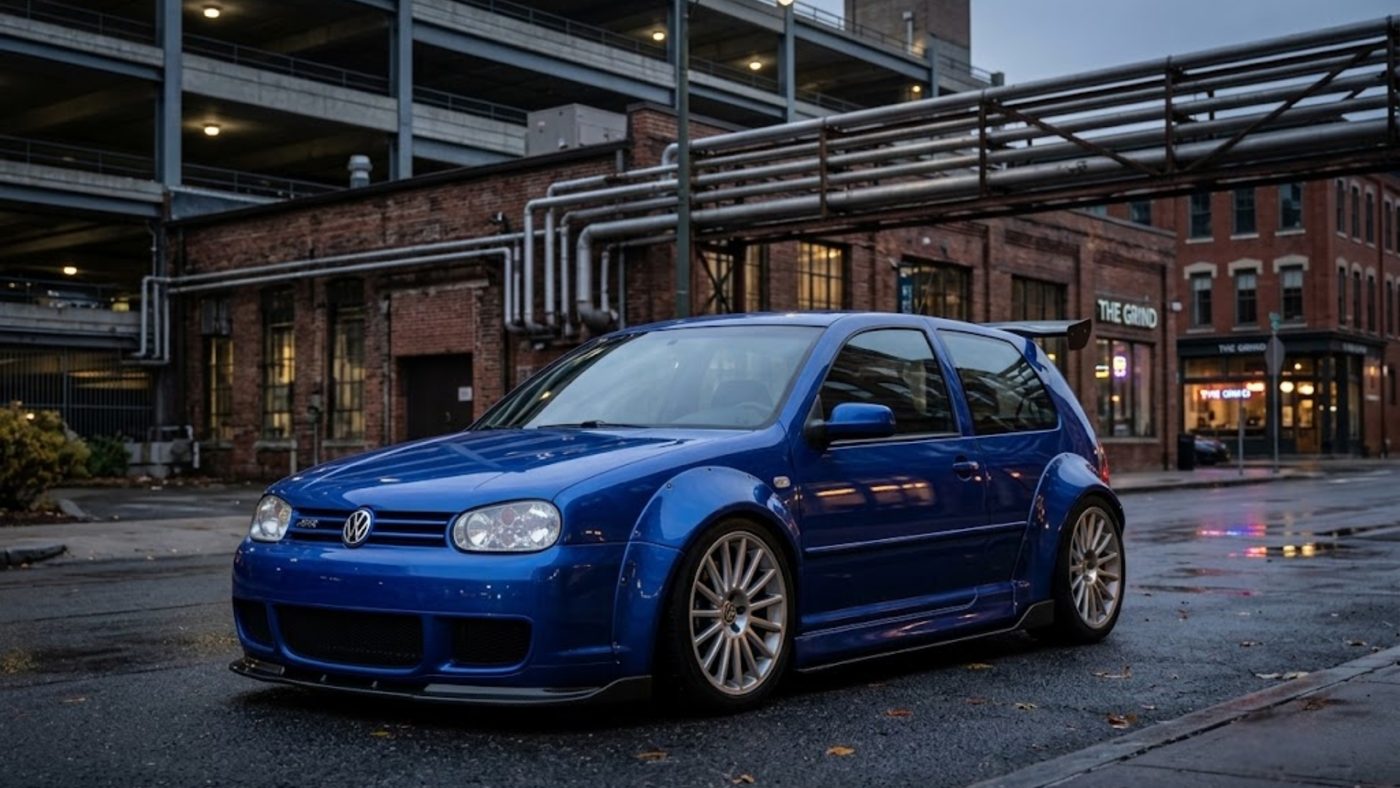
The Volkswagen Golf R32 is one of the most recognisable performance hatchbacks ever produced. Its naturally aspirated 3.2-litre VR6 engine, distinctive exhaust note and 4MOTION all-wheel-drive system have made it highly sought-after among South African Volkswagen enthusiasts.
However, many R32 models are now older, higher-mileage vehicles. Timing-chain wear, cooling-system faults, oil leaks, misfires and neglected maintenance can eventually result in expensive repairs or complete engine failure. Understanding the warning signs can help an owner decide whether to repair the existing motor or install a tested replacement engine.
This guide explains the most common VW Golf R32 engine problems, how they should be diagnosed and what to consider when sourcing a replacement engine from a specialist engine and gearbox supplier in Pretoria.

What engine is fitted to the VW Golf R32?
The original Golf R32 was introduced with a naturally aspirated 3.2-litre, narrow-angle six-cylinder VR6 engine. Unlike the turbocharged four-cylinder engines fitted to newer Golf R models, the R32 relies on displacement, variable valve timing and its distinctive six-cylinder design to produce its power.
The R32 was originally introduced as the high-performance model in the fourth-generation Golf range. You can read more about the history and development of the Volkswagen Golf Mk4 on Wikipedia.
The exact engine code depends on the vehicle’s generation, production year and market. Codes associated with 3.2-litre Volkswagen and Audi VR6 applications can include BFH, BJS, BUB, BMJ and related variants. The BHE code is more commonly associated with certain Audi TT 3.2 applications rather than every Golf R32.
Because several 3.2 VR6 engines look similar, buyers should never order an engine based only on its appearance or the term “R32 engine”. LRD Pretoria currently lists a VW Golf 4 R32 3.2 V6 BUB engine, but the vehicle identification number, engine code, gearbox type, wiring, ECU and ancillary components must still be checked before purchase.
| Component | Important detail | What to confirm |
|---|---|---|
| Engine | 3.2-litre naturally aspirated VR6 | Exact engine code and generation |
| Drivetrain | 4MOTION all-wheel drive | Gearbox and transfer compatibility |
| Transmission | Manual or DSG, depending on model | Gearbox code and control system |
| Electronics | ECU, sensors and wiring differ | ECU, harness and immobiliser requirements |
What are the most common R32 engine problems?
The R32 engine can be reliable when it is maintained correctly, but age, mileage and poor servicing can cause several expensive problems. The most important areas to inspect include the timing-chain system, cooling system, ignition components, oil seals and variable valve timing system.
- Timing-chain stretch, guide wear or tensioner problems
- Rattling noises during startup
- Cooling-system leaks and overheating
- Ignition-coil and spark-plug failures
- Rough idle, misfires and reduced performance
- Oil leaks around seals, covers and gaskets
- Camshaft-adjustment and timing-correlation faults
- Carbon or intake deposits affecting drivability
- Damage caused by incorrect oil or extended service intervals
Not every noise or warning light means that the complete engine has failed. Proper diagnostics are essential before replacing expensive components.
How serious is timing-chain wear on an R32?
Timing-chain wear is one of the most important R32 issues to investigate. The engine uses a complex chain-driven timing system to keep the crankshaft, camshafts and variable valve timing components synchronised.
As the chain, guides or tensioners wear, the timing can move outside its correct operating range. Early symptoms may include a metallic rattle during a cold start, an engine warning light, uneven idling or timing-related diagnostic codes.
If the chain stretches excessively or jumps out of position, the pistons and valves may make contact. This can bend valves, damage the cylinder head and, in severe cases, make a complete replacement engine more economical than rebuilding the original unit.
R32 timing-chain warning signs
- Rattling from the gearbox side of the engine
- Noise that is most noticeable during a cold start
- Check-engine light or timing-correlation fault codes
- Rough idling or intermittent misfires
- Reduced power or poor throttle response
- Difficulty starting the vehicle
- Metal particles or contamination in the engine oil
A workshop should check live camshaft timing values, stored fault codes, oil pressure and mechanical timing before confirming that the chain assembly has failed. Simply replacing a sensor without verifying the mechanical timing can leave the actual problem unresolved.

Why is timing-chain replacement expensive?
The R32 timing system is positioned in a difficult-to-access area of the engine. Reaching the chains, tensioners and guides requires extensive disassembly, specialised tools and accurate timing procedures. Depending on the workshop and vehicle configuration, the gearbox or engine may need to be removed or moved to provide sufficient access.
The labour involved means that a timing-chain repair can become expensive even before additional damage is discovered. If the engine has low compression, damaged valves, worn cylinder walls, bearing noise or severe overheating damage, replacing the complete engine may offer better value than repairing one section at a time.
What causes an R32 engine to overheat?
An overheating R32 should be switched off and inspected immediately. Continuing to drive an overheating engine can warp the cylinder head, damage the head gasket and affect the internal surfaces of the motor.
Possible causes include a leaking water pump, damaged thermostat, cracked coolant housing, failed radiator fan, blocked radiator, leaking hose or insufficient coolant. A faulty coolant-temperature sensor can also provide inaccurate information to the engine-management system or dashboard.
Warning signs of an R32 cooling-system problem
- Coolant warning light
- Temperature rising above its normal position
- Coolant smell after driving
- Visible coolant beneath the vehicle
- Cooling fans running unusually often
- Weak or inconsistent cabin heating
- White exhaust smoke after the engine is warm
- Repeated coolant loss without an obvious external leak
A proper inspection should include cooling-system pressure testing, combustion-gas testing where necessary and checking the water pump, thermostat and radiator fans. Repeatedly topping up the coolant without locating the leak can eventually cause major engine damage.
What causes an R32 to misfire or idle roughly?
Misfires are another commonly reported R32 concern. The problem may be relatively minor, such as a worn spark plug or failed ignition coil, but it can also indicate incorrect mechanical timing, injector trouble, intake leaks or low compression.
| Symptom | Possible cause | Recommended check |
|---|---|---|
| Misfire on one cylinder | Coil, plug or injector | Swap test, ignition test and injector test |
| Multiple-cylinder misfire | Vacuum leak, fuel pressure or timing | Smoke test, fuel-pressure test and timing scan |
| Rough cold start | Ignition, fuelling or timing-chain wear | Cold-start scan and mechanical inspection |
| Low compression | Valve, piston, ring or head-gasket damage | Compression and leak-down test |
| Intermittent warning light | Sensor, wiring or developing mechanical fault | Full diagnostic scan and wiring inspection |
A diagnostic scan should identify the affected cylinder and recorded conditions, but fault codes alone should not be treated as a final diagnosis. Compression tests, leak-down tests, ignition testing and fuel-pressure checks may still be required.
Are oil leaks common on older R32 engines?
Oil leaks become more likely as seals, gaskets and plastic components age. Common leak areas may include the rocker or valve-cover area, oil-filter housing, timing covers, crankshaft seals and other engine joints.
A small leak can eventually lower the engine-oil level or contaminate nearby components. Oil reaching hot exhaust components may also create a burning smell or smoke from the engine bay.
Owners should check the oil level regularly and use the correct manufacturer-approved lubricant. Incorrect oil, low oil levels and extended service intervals can accelerate wear in the chain tensioners, camshaft adjusters and internal bearings.
Can a DSG or drivetrain fault feel like an engine problem?
Yes. Not every R32 performance problem originates inside the engine. DSG faults, clutch wear, mechatronic problems, Haldex issues, worn engine mounts and drivetrain components can cause jerking, delayed engagement, vibration or reduced performance.
A workshop should scan all relevant control modules rather than reading only the engine ECU. Engine, gearbox and all-wheel-drive faults can interact, especially when the vehicle enters a protective or reduced-power mode.
When ordering a replacement engine or gearbox, confirm whether the vehicle uses a manual or DSG transmission. The correct engine code, gearbox code, mounting points, flywheel or flexplate arrangement and electronic systems must be matched. Owners dealing with transmission-related symptoms can also review LRD Pretoria’s available VW gearboxes.
How should R32 engine problems be diagnosed?
The correct diagnosis should be based on physical testing rather than assumptions. A complete R32 engine assessment may include:
- Reading engine, gearbox and drivetrain fault codes
- Listening to the engine during a genuine cold start
- Checking live camshaft timing and adjustment values
- Testing engine-oil pressure and condition
- Performing a compression test
- Completing a cylinder leak-down test where needed
- Pressure-testing the cooling system
- Inspecting spark plugs, coils and injectors
- Checking for vacuum and intake leaks
- Confirming the engine and gearbox codes
A compression test shows how much pressure each cylinder produces. A leak-down test helps determine where pressure is escaping, such as through an intake valve, exhaust valve, piston ring or head gasket. Together, these tests provide better evidence of the engine’s internal condition.
Should I repair or replace my R32 engine?
The best option depends on the extent of the damage, the condition of the original engine and the total repair cost. Repairing the existing engine may make sense when the problem is limited to an accessible component and the motor still has good compression and oil pressure.
A replacement R32 engine may be more practical when the existing motor has suffered severe overheating, valve contact, block damage, bearing failure, cracked components or extensive wear across several systems.
| Repair may be suitable when | Replacement may be suitable when |
|---|---|
| The fault is isolated and confirmed | The engine has extensive internal damage |
| Compression remains even across cylinders | One or more cylinders have poor compression |
| The block and cylinder head are serviceable | The block or cylinder head is badly damaged |
| The vehicle has a strong service history | The engine has been repeatedly overheated |
| The repair carries a clear warranty | A tested replacement offers better total value |
Owners should request a complete written quotation for both options. The comparison should include labour, machining, gaskets, timing components, fluids, additional parts, fitment and warranty coverage. A cheap partial repair can become expensive when related worn components fail shortly afterwards.

What should I check before buying a replacement R32 engine?
An R32 engine is a specialist purchase. Before paying for a replacement motor, confirm exactly what is included and whether it is compatible with the vehicle.
- The complete engine code
- The vehicle identification number
- The Golf generation and production year
- Manual or DSG transmission
- Whether the engine is supplied bare or complete
- Which intake, exhaust and electrical components are included
- Compression or condition-testing information
- Written warranty terms and exclusions
- Return conditions if the engine is incompatible
- Delivery, collection and fitment arrangements
Do not assume that every Volkswagen or Audi 3.2 VR6 engine is a direct replacement. Differences may exist in the intake system, sensors, wiring harness, sump, engine mounts, ECU calibration and ancillary equipment. Some components may need to be transferred from the original engine. Buyers who need to compare other compatible options can browse the available second-hand VW engines.
Can an Audi 3.2 VR6 engine be used in a Golf R32?
Certain Volkswagen and Audi models use related 3.2-litre VR6 engines, but this does not automatically make them direct replacements. An Audi TT or Audi A3 engine may share important internal architecture with an R32 engine while using different external components, electronics or calibration.
Compatibility must be confirmed using the engine code, donor-vehicle details and the components fitted to the customer’s vehicle. Where an engine conversion or component transfer is required, the work should be completed by a workshop experienced with Volkswagen and Audi VR6 systems.
How can R32 owners reduce the risk of engine failure?
Preventative maintenance cannot eliminate every age-related fault, but it can reduce the risk of avoidable damage.
- Use the correct approved engine oil and quality filter
- Do not extend oil-change intervals on an older performance engine
- Investigate startup rattles immediately
- Repair coolant leaks before the engine overheats
- Replace worn spark plugs and failed coils promptly
- Scan warning lights instead of clearing them repeatedly
- Allow the engine to reach operating temperature before hard driving
- Check the oil and coolant levels regularly
- Maintain the DSG and 4MOTION systems according to specification
- Keep records of all services and repairs
Modified R32 vehicles may require more frequent inspections. Aggressive tuning, forced-induction conversions and repeated high-load driving place additional stress on the cooling system, fuelling, clutch, gearbox and internal engine components.
Where can I find an R32 engine in Pretoria?
LRD Pretoria supplies replacement engines, gearboxes and related automotive components for a range of Volkswagen and Audi vehicles. Available stock changes regularly, so customers should contact the team with the vehicle’s VIN, engine code, model year and gearbox information.
Providing accurate vehicle details helps the team identify the closest compatible unit and explain what is included. Customers should also confirm the engine’s condition, warranty, collection or delivery arrangements and whether any original components must be transferred during fitment. Browse the LRD Pretoria engine and gearbox shop to check currently listed stock.

Final advice for VW Golf R32 owners
The VW Golf R32 remains a desirable performance vehicle, but buying or maintaining one requires careful attention to the engine’s condition. Startup rattles, timing faults, overheating, misfires and unexplained oil or coolant loss should never be ignored.
Early diagnosis may allow the original engine to be repaired before major damage occurs. When internal damage is already extensive, a correctly matched and tested replacement R32 engine can provide a more practical route to getting the vehicle back on the road.
Before purchasing an engine, confirm the engine code, VIN, gearbox type, included components and warranty in writing. Contact LRD Pretoria with these details to check current R32 and compatible Volkswagen or Audi 3.2 VR6 engine availability.
Frequently asked questions about the VW Golf R32
What are the most common R32 engine problems?
Common concerns include timing-chain and guide wear, cold-start rattling, cooling-system leaks, overheating, ignition-coil failures, misfires, oil leaks and camshaft-timing faults. The exact cause should be confirmed through diagnostic and mechanical testing.
How do I know whether my R32 timing chain is worn?
Possible warning signs include a metallic startup rattle, timing-related fault codes, rough idling, misfires, poor performance or difficulty starting. A workshop should inspect live timing values and confirm the mechanical timing before recommending replacement.
Is the R32 engine a V6 or VR6?
The R32 uses Volkswagen’s narrow-angle VR6 design. It has six cylinders arranged in a compact configuration that allows the engine to fit transversely into the Golf’s engine bay.
Can I replace my R32 engine with an Audi 3.2 engine?
Some Audi 3.2 VR6 engines are related, but they are not automatically direct replacements. The engine code, electronics, mounting components, intake system, sump and gearbox compatibility must be checked before installation.
Should I rebuild or replace a damaged R32 engine?
A rebuild may make sense when the block and cylinder head remain serviceable and the damage is limited. A replacement engine may offer better value when the motor has severe overheating, valve, bearing, block or multi-cylinder damage.
What details are needed to find the correct R32 engine?
Provide the VIN, engine code, model year, Golf generation, gearbox type and photographs of the existing engine or identification labels. These details reduce the risk of receiving an incompatible unit.
Where can I buy an R32 engine in South Africa?
Contact an established engine supplier that can help confirm compatibility and provide written warranty information. LRD Pretoria supplies engines and gearboxes in Pretoria and can assist customers from other parts of South Africa with available delivery options.
<script type="application/ld+json">
{
  "@context": "https://schema.org",
  "@type": "FAQPage",
  "mainEntity": [
    {
      "@type": "Question",
      "name": "What are the most common R32 engine problems?",
      "acceptedAnswer": {
        "@type": "Answer",
        "text": "Common R32 engine problems include timing-chain and guide wear, cold-start rattling, cooling-system leaks, overheating, ignition-coil failures, misfires, oil leaks and camshaft-timing faults. The exact cause should be confirmed through diagnostic and mechanical testing."
      }
    },
    {
      "@type": "Question",
      "name": "How do I know whether my R32 timing chain is worn?",
      "acceptedAnswer": {
        "@type": "Answer",
        "text": "Possible warning signs include a metallic rattle during startup, timing-related fault codes, rough idling, misfires, reduced performance or difficulty starting. A workshop should inspect the live timing values and mechanical timing before recommending replacement."
      }
    },
    {
      "@type": "Question",
      "name": "Is the R32 engine a V6 or VR6?",
      "acceptedAnswer": {
        "@type": "Answer",
        "text": "The R32 uses Volkswagen's narrow-angle VR6 engine design. It has six cylinders arranged in a compact configuration that allows the engine to fit transversely inside the Golf's engine bay."
      }
    },
    {
      "@type": "Question",
      "name": "Can I replace my R32 engine with an Audi 3.2 engine?",
      "acceptedAnswer": {
        "@type": "Answer",
        "text": "Some Audi 3.2 VR6 engines are related to the Golf R32 engine, but they are not automatically direct replacements. The engine code, electronics, mounting components, intake system, sump and gearbox compatibility must be checked before installation."
      }
    },
    {
      "@type": "Question",
      "name": "Should I rebuild or replace a damaged R32 engine?",
      "acceptedAnswer": {
        "@type": "Answer",
        "text": "A rebuild may be suitable when the engine block and cylinder head remain serviceable and the damage is limited. A replacement engine may offer better value when the motor has severe overheating damage, valve damage, bearing failure, block damage or poor compression across multiple cylinders."
      }
    },
    {
      "@type": "Question",
      "name": "What details are needed to find the correct R32 engine?",
      "acceptedAnswer": {
        "@type": "Answer",
        "text": "Provide the vehicle identification number, engine code, model year, Golf generation, gearbox type and photographs of the existing engine or identification labels. These details help reduce the risk of purchasing an incompatible engine."
      }
    },
    {
      "@type": "Question",
      "name": "Where can I buy an R32 engine in South Africa?",
      "acceptedAnswer": {
        "@type": "Answer",
        "text": "Contact an established engine supplier that can confirm compatibility and provide written warranty information. LRD Pretoria supplies engines and gearboxes in Pretoria and can assist customers across South Africa with available collection or delivery options."
      }
    }
  ]
}
</script>